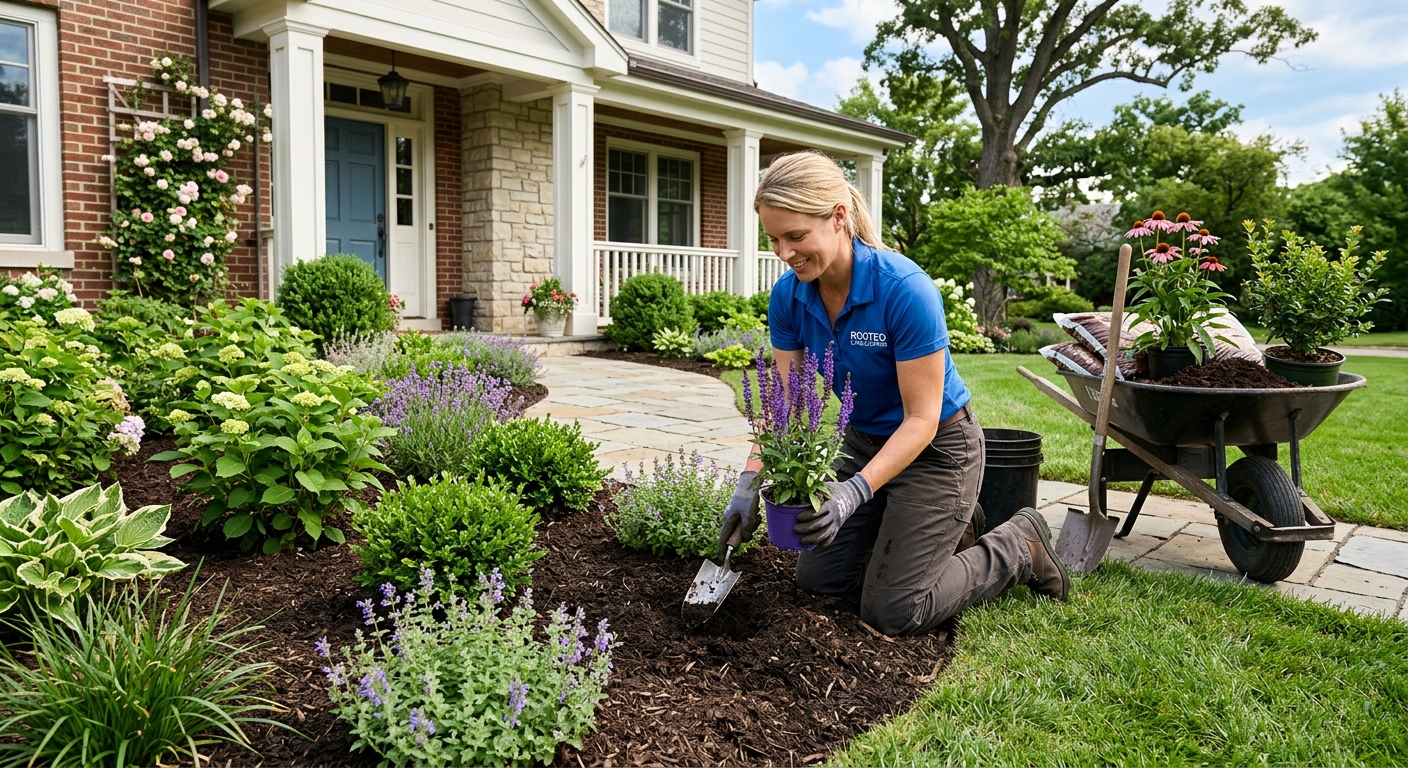
Landscaping options and costs in Martindale
Martindale is a growing community in the Calgary area, and homeowners here typically want their yards to look sharp fast—while still surviving Alberta’s freeze–thaw swings. With a population of 14,540 in 2021 (Statistics Canada, 2021 Census), there’s steady demand for contractors who can plan around short working windows, late-spring frosts, and early fall cold snaps. You’ll also find that many properties are built to accommodate outdoor living, which encourages investment in hardscape and plantings—especially as households settle in over time. In practice, Calgary-area landscaping costs are driven by how much prep is needed before anything can be planted or paved.
In Prairie hardiness zones 3–4, the biggest cost variables are often not the “finish” items—they’re the base depth, drainage corrections, and soil improvements required to prevent heaving, pooling, and foundation moisture. Freeze–thaw cycles demand deep, well-compacted bases for patios, walkways, and retaining walls, and that’s where labour and equipment time show up. Labour availability can also tighten when weather turns (chinooks can help mid-season, but it doesn’t erase frost dates). In Martindale, work is especially in demand along the busier residential pockets near local retail and school routes, where curb appeal upgrades are visible year-round.
Below is a practical way to compare common landscaping scopes in Martindale and the Calgary market, then we’ll break down why quotes can differ.
| Service |
Description |
Season |
Price Range |
| Full landscape design and installation |
Site visit, grading/drainage plan, planting plan, hardscape (as needed), soil prep, and installation (softscape + hardscape) |
Late spring to early fall (weather dependent) |
$5,000–$50,000 |
| Sod installation (supply, grade, lay, roll) |
Topsoil/grade correction, weed control, sod supply, lay and roll, starter fertilizer |
Late spring to early fall |
$1,500–$6,000 |
| Lawn seeding (grade, seed, starter fertilizer) |
Light grade correction, seed mix, starter fertilizer, straw/mulch protection where needed |
Spring seeding or early fall (cooler conditions) |
$900–$3,500 |
| Interlocking patio or walkway |
Excavation, geotextile/base, leveling sand, interlocking pavers, edging, compaction |
May to September |
$8,000–$25,000 |
| Retaining wall (interlocking block) |
Block wall layout, excavation, reinforced base, drainage stone, weeping tile (as required) |
May to September |
$10,000–$40,000 |
| Tree and shrub planting |
Soil amendment, planting, staking (if needed), mulch rings, initial watering plan |
Spring and early fall |
$800–$15,000 |
Prices are estimates only and vary by project scope, site access and material selection.
What affects the price of landscaping in Martindale
In Martindale and across Calgary-area communities, the same “looking” project can land 30–50% apart because the hidden work changes: grading depth, drainage strategy, soil quality, access for equipment, and how much labour time is required for proper compaction and base preparation. In Alberta’s Prairie zone 3–4 conditions, the working season is shorter and freeze–thaw cycles are severe, so contractors must build for longevity, not just curb appeal. That’s why design & installation can span a wide range—often anchored by the full project band of $5,000–$50,000 when you add hardscape, drainage, and plants that actually survive winters.
Here’s how climate ties to cost in a concrete way. Prairie regions (Zone 2–4) need cold-hardy, drought-tolerant, wind-resistant species, and retaining wall base depth must reach below the frost line. Coastal BC clients may get a longer growing window (Zone 7–8), but heavy rainfall makes drainage critical too; irrigation design still matters, just for different reasons. Water restrictions in dry interior regions can also push clients toward drip irrigation and xeriscaping; Calgary’s semi-arid conditions plus occasional restrictions still push homeowners to use smart controllers, zoned systems, and soil improvement rather than high-water turf.
Two examples that often move Martindale pricing up or down: (1) if your yard needs slope corrections and subgrade rework, that can change labour and base material quantities; a simple “top up” is rarely enough in freeze–thaw areas. (2) choosing sod instead of seeding can raise costs—sod projects in the $1,500–$6,000 band typically reflect both material and labour for immediate coverage, while seeding is usually less expensive but needs patience. Also, older housing stock often has hidden drainage issues from past grading; when foundation weeping areas or downspout routes are affected, allowances can increase by thousands rather than hundreds.
| Price Factor |
Why It Matters |
Cost Impact |
| Yard size in sq ft — the primary cost driver for softscape |
More area means more topsoil, base prep, material, and installation labour |
Can add or reduce several thousand dollars on a lawn or planting scope |
| Grading and drainage work — slope corrections add significant cost |
Freeze–thaw survival depends on water moving away from foundations |
Often one of the largest “hidden” increases when the site is out of grade |
| Drainage bed or French drain installation |
Controls pooling and reduces hydrostatic pressure under pavements and near walls |
Material + excavation time can shift the job by multiple thousands |
| Plant material tier — native shrubs vs. ornamental vs. mature specimen trees |
Hardiness, size, and establishment success vary by plant type and maturity |
Specimen trees and premium varieties can sharply increase totals |
| Hardscape vs. softscape ratio — walls and patios cost more per sq ft than lawn |
Pavers/blocks require deeper base, compaction, and thicker materials |
Higher hardscape proportion typically raises overall project cost quickly |
| Irrigation system design and installation |
Zone planning, controller setup, and drought-efficient coverage affect labour and parts |
Can add meaningful cost if multiple zones and drip lines are needed |
| Soil amendment and topsoil required |
Calgary-area soils vary; improved topsoil supports root establishment and reduces settling |
Bulk materials and hauling can increase the estimate substantially |
| Tree removal or stump grinding before new planting |
May be required for safe access, new drainage lines, and clean planting beds |
Equipment time and disposal can add a noticeable line item |
Permits & regulations in Alberta
In Alberta, most day-to-day landscaping work—like planting, sodding, and typical softscape installation—usually does not require a building permit. For example, installing a new lawn, planting trees and shrubs, adding mulch beds, and building standard garden borders are generally “no permit” items. However, retaining walls are the area where homeowners most often run into permit requirements. In many municipalities, retaining walls above a threshold—commonly around 1.0 m (3.3 ft)—may require a building permit and sometimes engineered drawings, especially if the wall height or soil pressures are significant.
Also watch for grading-related approvals. If your project includes lot grading changes that affect drainage patterns toward a neighbouring property or toward storm sewer connections, you may need to confirm requirements before work starts. Before any excavation for planting holes or wall footings, contractors (and homeowners approving the work) should ensure utility locates are completed so you don’t hit buried services.
To verify a contractor and protect yourself, have the homeowner-check process ready before you sign: (1) request their Alberta licensing details (where applicable for their trade), (2) ask for a current certificate of liability insurance showing you as a certificate holder if possible, and (3) confirm WSIB/WCB coverage documentation. Then, look for a clearance letter or equivalent coverage confirmation from the contractor’s insurer or portal where their coverage is stated. If they can’t provide paperwork quickly, that’s a warning sign.
Planning a landscape that thrives in Martindale's climate
Planning for Martindale’s climate means working with the zone rather than fighting it. Martindale falls in Prairie hardiness zones 3–4, where late spring frosts and early fall cold snaps can damage tender growth and where severe freeze–thaw cycles punish weak base prep. Start with plant selection: choose cold-hardy, wind-tolerant, drought-tolerant varieties that can handle Alberta’s shorter growing season and periodic dry spells. Native and zone-appropriate species generally establish more reliably with less winter protection once rooted in.
Next, decide between sod and seed. Sod gives instant visual results, but it’s more expensive because you’re paying for supply and labour to lay and establish instantly. As a ballpark, sod installation often sits in the $1,500–$6,000 band, while seeding is typically less. If you need a yard to look presentable quickly for moving-in or a family event, sod can be worth the premium. If timing flexibility exists, seeding can save money and still perform well when you match cool-season mixes to local conditions.
Drainage and grading are non-negotiable in Calgary-area soils. Patios, walkways, and retaining walls require deep, well-compacted bases and proper drainage to prevent heaving. Finally, design for low maintenance: mulch, groundcovers, perennials, and a few statement trees reduce annual labour without sacrificing curb appeal. Xeriscape-style layouts—such as gravel berms, drought-tolerant plant groupings, and rain-garden pockets—can also cut watering demands while improving how rain moves through the yard.
For a dollar example: on a small front yard, opting for sod for a limited “high-visibility” strip near the driveway, while seeding the remainder, can justify the higher sod cost without paying premium rates across the entire lawn.
| Element |
Climate Consideration |
Maintenance Level |
Price Band |
| Sod lawn installation |
Needs reliable establishment before deep freezes; best in late spring to early fall windows |
Low to moderate (initial watering and early mowing) |
$1,500–$6,000 |
| Native perennial garden |
Zone-appropriate roots handle wind and cold; fewer replacements |
Low (mulch top-ups, seasonal tidy) |
$2,500–$8,500 |
| Mulched shrub border |
Cold-hardy shrubs reduce winter burn; mulch improves moisture stability through freeze–thaw cycles |
Low to moderate (pruning, weed control) |
$1,800–$7,000 |
| Interlocking stone patio |
Requires deep base and drainage to prevent heaving |
Low (occasional cleaning and joint top-up) |
$8,000–$25,000 |
| Retaining wall (block) |
Base depth and drainage stone are essential for freeze–thaw durability |
Low (periodic inspection) |
$10,000–$40,000 |
| Drip irrigation system |
Efficient water delivery supports drought-tolerant planting; useful during periodic restrictions |
Moderate (seasonal checks and winterization) |
$1,800–$8,000 |
How to choose a landscaping contractor in Martindale
Choosing the right landscaping contractor in Martindale is mostly about verifying proof, not promises. Start with licensing/coverage: ask for their Alberta trade licence details (where applicable), and verify liability insurance by requesting a current certificate of insurance. For WSIB/WCB, request documentation that shows active coverage. Many contractors can share a clearance letter or evidence of account status—if they only say “we’re covered” without paperwork, keep looking. Also confirm they can provide product manufacturer warranty information where relevant, because workmanship warranty alone doesn’t cover plant material failures.
Then get 2–3 itemised written quotes. You want a breakdown showing labour and materials separately (base prep, excavation, geotextile, sand, paver/block, drainage stone, topsoil, seed/sod, plants, mulch, irrigation components if included). Avoid vague “lump sum” scopes. Read the exclusions: is waste disposal included, is utility marking included, are permit fees (if required for a wall) included, and does the quote include winterization of irrigation lines? Ask about the start date and completion estimate in writing, especially since Martindale schedules can shift with frost and thaw.
For payment: never pay more than 10–15% upfront. Use a holdback until key milestones are complete (base inspections, paver/block completion, planting establishment, and cleanup). A fair schedule reduces risk for both sides.
- Request itemised quotes with labour + materials, not one total.
- Confirm coverage: liability insurance certificate and WSIB/WCB evidence.
- Verify scope includes excavation depth, base materials, and compaction method.
- Ask who handles utility locates before digging.
- Clarify drainage responsibilities (grading + drainage stone/French drain if needed).
- Confirm disposal: soil/pallet/green waste hauling included or not.
- Check warranty length for workmanship and what “defects” include.
- Ask about plant warranty (replacement policy for early failures).
- Confirm irrigation winterization and controller setup responsibilities (if included).
- Agree on start date and completion window in writing.
- Use a payment schedule with 10–15% max upfront and final holdback.
- Insist on a site meeting to verify measurements before ordering materials.
Red flags I see around Martindale: quotes that skip drainage/grading details, “we’ll figure it out later” base depth statements for patios/walls, no written warranty terms, vague irrigation scope (no winterization plan), and contractors who won’t provide insurance/WSIB/WCB documentation or itemised pricing.
Frequently asked questions — landscaping in Martindale
How much does professional landscape design cost?
In Martindale, design-only work can vary, but many homeowners effectively “roll design into installation” once they choose a contractor and approve a build scope. For full projects, Calgary-area landscaping commonly lands in the mid five-figure range once grading, hardscape, planting, and irrigation are included—often within $5,000–$50,000 depending on how much drainage and hardscape you add. If your request is smaller (a planting plan only), costs are typically lower than a full design/build. When comparing quotes, look for what the design includes: site measurements, drainage notes, plant list, irrigation outline, and a clear layout. If a contractor won’t provide a written plan or only gives a verbal sketch, you may end up paying more later when the build scope changes (and changes in Alberta can be expensive because bases and drainage must be correct from day one).
How do I compare landscaping quotes?
Compare quotes line-by-line, not just the totals. In Martindale and the Calgary region, two companies can both mention “pavers” or “topsoil,” but the differences that affect long-term performance are usually base prep depth, drainage strategy, and the soil/plant material tier. Ask each contractor to list materials and labour separately: excavation depth, geotextile, compacted base thickness, joint sand, edging, drainage stone or French drain (if needed), and disposal. For sod, check whether the grade correction and starter fertilizer are included—sod projects often fall within $1,500–$6,000, and a cheaper quote may be skipping prep that leads to early failure. Also confirm what’s excluded: permit handling for walls if applicable, irrigation winterization, and cleanup. A quote that’s itemised and includes the “how” of construction is usually easier to compare and less likely to change once work begins.
How long does a landscaping project take in Martindale?
In Alberta’s zone 3–4 conditions, timing depends heavily on weather and on whether your job involves hardscape base prep or drainage. In Martindale, smaller softscape projects (mulch, planting, or a small shrub border) can typically be completed in a few days to about a week. Sod installation is usually fast—coverage happens quickly—but preparation and weather windows matter, especially around late-spring frost risk. Larger projects that include patios, walkways, and retaining walls often take longer because excavation, base compaction, drainage installation, and material curing or settlement checks require sequential steps. Full design/build jobs can stretch from a couple of weeks to several months, primarily due to scheduling and seasonal constraints. Plan around freeze–thaw: if a contractor can’t commit to key milestones (base completion, paver/block set, final grading) in writing, it’s harder to predict completion.
What is the best grass type for a Martindale lawn?
For Martindale (Calgary-area) lawns, homeowners generally do best with cool-season turf grasses that can handle cold winters and periodic drought. Practically, many contractors recommend a blend designed for Alberta conditions—often fine fescue and/or durable turf types used for established lawns in colder climates. The “best” choice depends on sun exposure (front yards can be brighter and drier), foot traffic, and whether you want quicker greening in spring. If you’re comparing sod versus seeding, sod uses a proven turf selection and gives instant coverage, while seeding relies on the seed mix matching your site conditions and proper top-dress/seed-to-soil contact. If your goal is a fast curb-appeal upgrade, sod within the $1,500–$6,000 band may be the quickest route. For longer-term cost efficiency, seeding can be very effective when you seed at the right season and keep the moisture consistent during germination.
When should I aerate and overseed my lawn in Martindale?
Aeration and overseeding in Martindale work best when the grass can recover quickly before the next cold snap. In Alberta’s climate, that usually means spring or early fall—avoid peak summer heat and avoid periods when ground freezing is likely. Aerating helps relieve compaction so water and nutrients penetrate, which is especially helpful after freeze–thaw cycles that can loosen and re-set soil surfaces. Overseeding should be timed so seedlings can germinate and establish before winter dormancy. If you’re not sure, a contractor can assess lawn density and soil moisture, then recommend core aeration depth and seed rate. If you’re switching from poor-performing turf to a better mix, don’t skip seed-to-soil contact: top dressing and light raking are often the difference between a patchy lawn and a uniform stand.
What trees grow best in Martindale's climate zone?
In Alberta’s zone 3–4 conditions around Martindale, the “best” trees are typically cold-hardy and wind-tolerant, with strong roots for shorter seasons. Common choices include hardy varieties suited to Calgary-area landscapes such as certain spruces (for structure and privacy), elms (where conditions allow), and other cold-tolerant deciduous or conifer trees that tolerate winter conditions well. Your best match also depends on your yard: soil quality, moisture level, wind exposure, and whether there’s space for full mature spread. If you’re planning along a walkway or near utilities, height and root spread matter as much as hardiness. When homeowners add tree and shrub planting, the typical scope can fall into $800–$15,000 depending on whether you’re planting small liners, medium shrubs, or larger specimen trees. A good approach is to balance one feature tree with several shrubs and groundcovers so the yard looks full even when one species is still establishing.