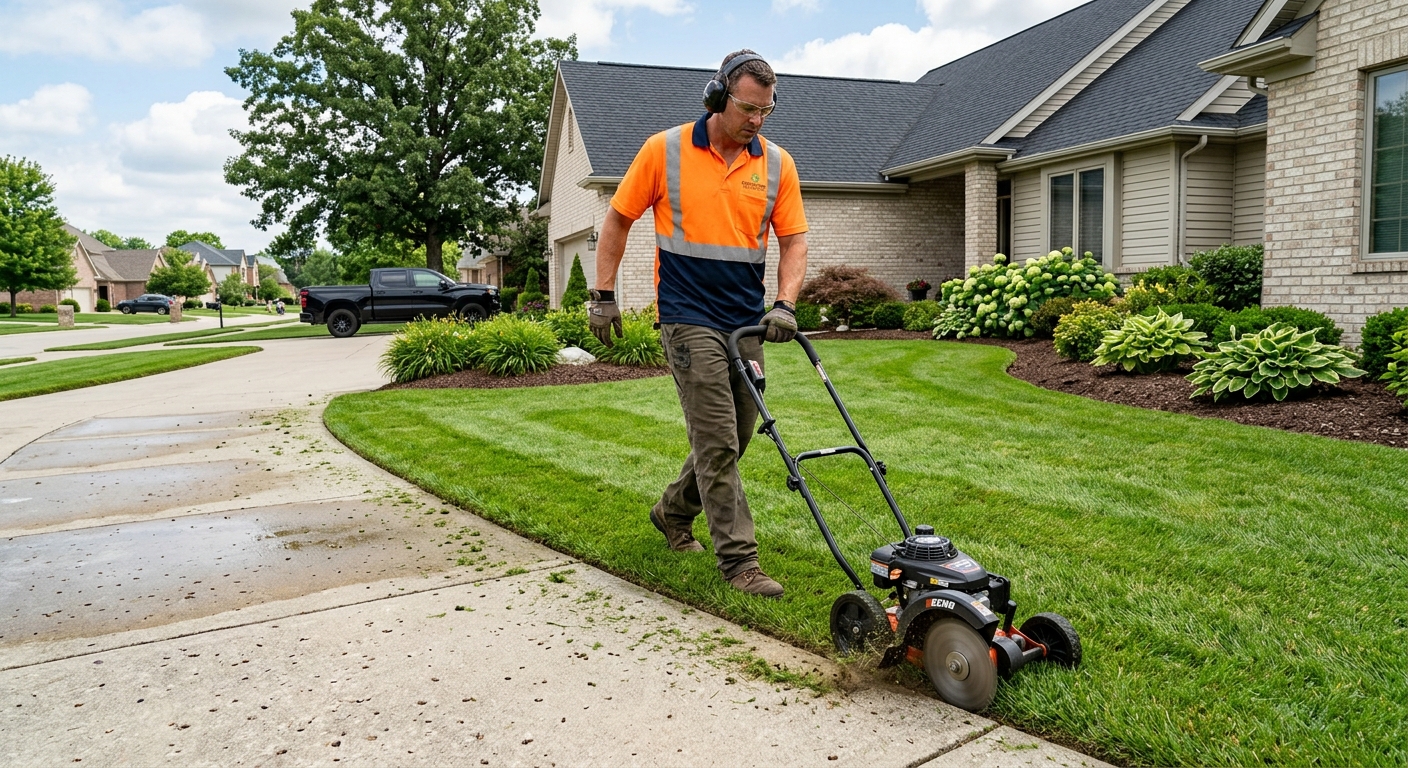
Landscaping options and costs in Spruce Grove
Spruce Grove homeowners typically have a lot to work with—especially when your property is a single-detached home, which makes up 63.4% of dwellings locally. With 76.3% of households owning their homes, many families invest in curb appeal, comfort, and lower-maintenance outdoor spaces. For a typical property market around population 37,645 (Statistics Canada, 2021 Census), it also means steady contractor demand in the surrounding Edmonton region, including high-traffic areas where people move in and want landscaping fast.
In Spruce Grove, costs are influenced by a short prairie growing season, freeze-thaw cycles, and generally drier conditions. That pushes labour scheduling, material choices, and establishment watering plans. Freeze-thaw also matters structurally: retaining walls and other hardscape features need a properly prepared base and drainage so they don’t shift when the ground expands and contracts. During peak weeks in the spring and early fall, availability can tighten, and mobilization fees can creep up, especially if access requires extra equipment or hauling.
Demand is especially strong in newer build-out pockets of Spruce Grove and around communities like Lakewood, where homeowners often want sod, planting, and tidy grading soon after move-in. Below is a practical comparison of common landscaping options and typical price ranges so you can compare like-for-like when you request quotes—then we’ll break down the biggest variables that change the number.
| Service |
Description |
Season |
Price Range |
| Full landscape design and installation |
On-site consultation, grading plan, planting palette, hardscape layout, soil/topsoil, labour, and installation |
Late spring to early fall (weather permitting) |
$8,000–$45,000 |
| Sod installation (supply, grade, lay, roll) |
Site prep, weed barrier as needed, grading, topsoil, sod delivery and rolling, starter fertilizer |
Mid-spring to late summer |
$3,000–$8,000 |
| Lawn seeding (grade, seed, starter fertilizer) |
Fine grading, seed mix, starter fertilizer, light raking/rolling, establishment watering guidance |
Spring and early fall |
$1,500–$4,500 |
| Interlocking patio or walkway |
Excavation, base (crushed stone), edge restraints, pavers, compaction, minor grading tie-ins |
Late spring to fall |
$6,500–$18,000 |
| Retaining wall (interlocking block) |
Wall layout, excavate and engineered-style base planning, drainage aggregate/weep provisions, block placement |
Late spring to fall |
$10,000–$35,000 |
| Tree and shrub planting |
Planting layout, planting holes, amendments, staking as required, mulch rings, first watering plan |
Spring and fall |
$500–$5,000 |
Prices are estimates only and vary by project scope, site access and material selection.
What affects the price of landscaping in Spruce Grove
Even when homeowners ask for “the same job,” quotes in the Edmonton region can swing by 30–50% because landscaping scope is rarely identical in the real world—soil conditions, grading needs, drainage issues, access constraints, and plant/hardscape selections all change labour time and material quantities. In Spruce Grove specifically, the plant hardiness zone and frost timing influence both what can survive and how long crews can work before freeze-up. Prairie regions (commonly Zone 2–4) also face a short growing window and winter wind exposure, so contractors tend to choose drought-tolerant, hardy species and build stronger soil preparation steps to speed establishment.
For context, coastal BC markets (often Zone 7–8) can support a longer planting season and broader palettes, which usually reduces the “rush scheduling” premium—but they also deal with heavy-rain drainage design. In the dry interior, irrigation design is shaped by efficient zoning and lower-water palettes. Southern Ontario (Zone 5–6) usually has a more moderate frost pattern, but summer dry spells still require irrigation planning. Edmonton/Spruce Grove sits firmly in the prairie reality: freeze-thaw affects retaining wall base depth and drainage, and establishment watering still matters on sod and new plantings.
Two concrete examples that commonly raise costs in Spruce Grove: (1) converting a slightly sloped lawn into a properly drained yard often means extra excavation and haul-off; (2) adding a retaining wall where the soil is compacted or wet near the foundation can require more granular base and drainage aggregate. On the flip side, if your yard is flat, accessible, and already has decent topsoil, you can often keep projects nearer the lower end of the $8,000–$45,000 design-and-install band or within the typical $45–$120 per square-foot hardscape planning realities (varies by size, layout, and base depth).
| Price Factor |
Why It Matters |
Cost Impact |
| Yard size in sq ft — the primary cost driver for softscape |
More area means more topsoil, seed/sod, mulch, and labour hours |
Can change the total by 20–60% depending on square footage |
| Grading and drainage work — slope corrections add significant cost |
Correct slopes protect foundations and prevent pooling; requires excavation and re-spreading |
Often adds 10–30% to a lawn/bed project |
| Drainage bed or French drain installation |
Subsurface water control uses rock, fabric, and pipe placement |
Commonly adds 15–40% where needed |
| Plant material tier — native shrubs vs. ornamental vs. mature specimen trees |
Mature stock costs more and may require equipment and staking/aftercare |
Mature trees can add several thousand dollars quickly |
| Hardscape vs. softscape ratio — walls and patios cost more per sq ft than lawn |
Stone, pavers, base stone, and compaction labour are higher-cost |
Projects can exceed lawn-only budgets by 2–4x |
| Irrigation system design and installation |
Sprinkler layout, trenching, and backflow components increase scope |
Can add 10–25% if you’re converting from hand watering |
| Soil amendment and topsoil required |
Existing soil quality affects plant success; amendments increase material and labour |
May add 5–20% depending on haul distance and depth |
| Tree removal or stump grinding before new planting |
Permits may not apply for all tree work, but equipment time does |
Often adds $800–$3,000+ depending on access and size |
Permits & regulations in Alberta
In Alberta, most everyday planting and soft landscaping work typically does not require a permit. That generally includes tasks like sodding and lawn installation, planting trees and shrubs, mulching, and installing most garden beds. However, retaining walls can trigger permitting requirements depending on height and municipal rules—commonly, walls above about 1.0 m (3.3 ft) are the point where many municipalities require a building permit and sometimes engineered drawings. Grading changes also matter: if your project changes lot grading in a way that affects drainage toward a neighbouring property or storm connections, it may require approval.
Before anyone digs, ask for utility locates. Even planting holes and wall footings can intersect with buried services. In addition, confirm water-use expectations. While Spruce Grove is not coastal and is subject to Alberta drought planning realities, efficient watering is still critical—especially for new sod and plant establishment after freeze-thaw cycles.
How to verify a contractor in Spruce Grove:
1) Ask for their Alberta licence number (if applicable) and check it through the relevant online registry. 2) Request a certificate of insurance and ensure liability coverage limits are appropriate for hardscape and excavation work. 3) Verify WSIB/WCB coverage (clearance letter or coverage proof) before work starts. If they can’t provide documents quickly, treat that as a red flag.
Planning a landscape that thrives in Spruce Grove's climate
Planning for Spruce Grove means choosing plants and building details that work with Alberta’s hardiness realities—short growing seasons, long winters, and freeze-thaw stress. Start with plant selection: use zone-appropriate trees, shrubs, and perennials that are hardy in prairie climates and can tolerate wind and dry spells. This typically reduces winter protection needs and lowers the long-term watering burden. Next, decide between sod and seed. Sod gives instant coverage, but it’s more expensive because you’re paying for supply, logistics, and faster establishment steps; in Edmonton-area pricing, sod is commonly roughly 3–4 times the cost per square foot compared with seeding when you’re working with similar area sizes.
Drainage and grading are non-negotiable in Edmonton/Spruce Grove. Poor drainage leads to pooling, weak rooting, and foundation moisture risk. For hardscape like patios and block work, base prep must respect frost conditions: correct sub-base depth, proper compaction, and edge restraints help prevent shifting. Finally, choose low-maintenance design strategies—mulch, groundcovers, and resilient perennials—that keep the yard looking full without constant rework.
If you want a water-smart direction, consider xeriscaping principles: reduce turf to small “functional” lawns and expand drought-tolerant beds. Even without heavy rain-garden features, you can route downspout runoff and design shallow planted areas that help absorb water during wet periods, then dry safely.
Example: if you’re tempted to replace 500 sq ft of thin, patchy turf with sod, you might land around the higher lawn band (often guided by the $3,000–$8,000 sod installation range). If your priority is budget and you’re willing to accept a later “full lawn” look, seeding near the lower end of the lawn approach can be a smarter start—then you can sod only the highest-traffic section.
| Element |
Climate Consideration |
Maintenance Level |
Price Band |
| Sod lawn installation |
Needs consistent establishment watering before winter; freeze-thaw stresses weak roots |
Medium (weekly watering guidance during establishment) |
$3,000–$8,000 |
| Native perennial garden |
Hardier plants survive prairie winters and dry stretches with less protection |
Low to medium (spring clean-up, occasional weeding) |
$1,200–$4,500 |
| Mulched shrub border |
Mulch buffers temperature swings and conserves moisture in windy, drier periods |
Low (mulch refresh and seasonal pruning) |
$900–$3,200 |
| Interlocking stone patio |
Requires correct sub-base and drainage so frost movement doesn’t lift stones |
Low (occasional joint cleaning/sealing if specified) |
$6,500–$18,000 |
| Retaining wall (block) |
Drainage aggregate and proper base depth below frost line reduce shifting |
Low (visual inspections after freeze-thaw seasons) |
$10,000–$35,000 |
| Drip irrigation system |
Efficient watering for hardy plantings; supports drought-tolerant beds during heat |
Low to medium (seasonal adjustments) |
$2,000–$7,500 |
How to choose a landscaping contractor in Spruce Grove
Choosing the right contractor in Spruce Grove starts with verification. In Alberta, ask for proof of insurance and work coverage before any digging. For liability insurance, request the certificate of insurance and confirm coverage limits are suitable for excavation, heavy materials, and hardscape installations. For work coverage, verify WSIB/WCB (or provide clearance letter/coverage proof) so you’re not stuck with risk if a worker is injured. A reputable contractor will provide documents promptly and won’t pressure you to sign before you review them.
Next, get 2–3 itemised written quotes with a labour + materials breakdown. Look for clarity on what’s included: grading depth, topsoil type/quantity, weed barrier usage, and whether disposal/haul-away is part of the price. Confirm whether permits are included if a retaining wall requires one, and ask whether any utility locates are arranged (or if you need to do that). For lawns, make sure the quote states whether it’s sod or seeding, what seed mix is used, and what establishment watering plan is included.
Warranty matters: ask for a workmanship warranty length (often separate from product warranties), whether product/manufacturer warranties apply to the installed materials, and whether warranty transfers if you sell the home. For payment, never pay more than 10–15% upfront; hold back a portion until the job is complete and clean-up is verified. Finally, get a written start date and completion estimate so you’re not guessing through Alberta weather delays.
- Ask for insurance and WSIB/WCB coverage proof before signing.
- Get 2–3 itemised quotes (not one lump-sum number).
- Confirm who handles utility locates before digging.
- Verify scope: excavation depth, base stone thickness, and compaction steps.
- Ask what weed-control approach they use under sod/seeded lawns.
- Confirm disposal/haul-away is included for excess soil.
- Check whether drainage tie-ins to downspouts are included or excluded.
- Request product details: sod type, seed mix, block/paver specs.
- Clarify grading goals (slopes away from foundation) in writing.
- Ask about irrigation: separate design/parts costs or included?
- Get the workmanship warranty in writing (length and coverage).
- Hold back 10–20% until final walkthrough and cleanup.
Red flags I see in Spruce Grove: (1) quotes that don’t specify materials (no sod/seed/block specs); (2) no proof of insurance or unclear WSIB/WCB status; (3) willingness to start without utility locates; (4) pressure for large upfront payments; (5) vague scope language like “prepare site” without describing grading, drainage, or base depth.
Frequently asked questions — landscaping in Spruce Grove
How much does sodding a yard cost in Spruce Grove?
In Spruce Grove, sod installation typically falls within the $3,000–$8,000 range for many standard residential projects, mainly depending on lawn square footage, how much grading/topsoil is required, and whether weed barrier and soil amendments are included. If your yard is uneven or has poor drainage spots, the cost can move toward the upper end because crews need extra excavation, re-spreading, and compaction so roots establish before winter freeze-thaw. Many homeowners also budget for establishment watering guidance—sod success depends on consistent moisture during the first weeks. If you’re comparing quotes, ask for an itemized breakdown of topsoil quantity, sod thickness/type, and whether edges/level transitions are included.
How do I prevent weeds in my Spruce Grove garden?
Weed prevention starts before planting. In Spruce Grove and the Edmonton region, I recommend asking contractors how they handle pre-plant weed control and what’s going under sod or in bed prep. For planting beds, layered mulch (not bare soil) helps suppress weeds and protects roots through temperature swings. Proper grading also reduces “mud” areas where weeds like to take hold. If your beds are adjacent to turf, create clean edges so grass doesn’t invade and create a constant weeding cycle. When quotes include soil amendments and weed barrier options, make sure the barrier is appropriate for the planting plan; a poor choice can complicate later plant establishment. Consistent spring clean-up and spot mulching keep weeds from re-seeding after Alberta wind and freeze-thaw periods.
How do I design a low-water yard in Spruce Grove?
A low-water yard in Spruce Grove usually means reducing turf and building hardy, drought-tolerant beds. Focus on zone-appropriate shrubs and perennials, then use mulch to hold moisture longer through hot summer stretches and prairie wind. Consider drip irrigation for beds rather than full-coverage sprinklers; it’s more targeted and supports efficient watering after installation. Design also matters: route downspouts sensibly so you avoid both dry dead zones and overly wet areas near foundations. If you’re budgeting, compare sod versus seeding—sod often lands in the higher lawn band, while seeding can be a more cost-effective way to establish grass before you decide what portion you keep as lawn. Many homeowners add interlocking paths and patios to limit turf to functional areas, improving curb appeal without constant watering.
How do I find a licensed landscaper in Spruce Grove?
For Spruce Grove, start by asking any contractor for the documents that prove they’re set up to work safely and legally in Alberta. Request liability insurance (a current certificate of insurance) and confirm WSIB/WCB coverage through a clearance letter or coverage proof. If licensing applies to their role, ask for the licence information and verify it through the appropriate online registry. Then request itemised quotes so you can compare scope, not just total price—labour + materials details help you confirm they’re not cutting corners on drainage and base prep. A good contractor will also talk about utility locates before digging and will mention permit requirements if your retaining wall height crosses typical thresholds (commonly around 1.0 m). If they can’t provide paperwork, move on.
How much does landscaping cost in Spruce Grove?
Landscaping cost in Spruce Grove commonly depends on whether you’re doing softscape only, adding hardscape, or building a full design-and-install package. For most residential makeovers, full landscape design and installation is often in the $8,000–$45,000 band, especially when grading, multiple plant layers, and at least one hardscape element are included. If your focus is turf, sod installation often sits in the $3,000–$8,000 range, while more complex drainage fixes and retaining work can shift totals higher because of excavation and base requirements. Alberta freeze-thaw also means details like base depth and drainage are not optional—skipping them can cause failures that cost more later. For the most accurate pricing, base comparisons on square footage, drainage needs, and the exact materials listed in each quote.
What plants thrive in Spruce Grove's climate zone?
In Spruce Grove, you’ll want hardy plants suited to prairie Alberta conditions: cold-tolerant trees, sturdy shrubs, and perennials that can handle wind and winter exposure. Many homeowners do best with native or regionally hardy species because they’re more resilient and usually need less winter protection and fewer watering interventions once established. A typical approach is to build structure with shrubs (mulch-protected), add perennials for colour through spring and summer, and use groundcovers to reduce weeds between plants. Whether you’re planning a native perennial garden or a mulched shrub border, the key is matching plants to sun exposure and ensuring soil prep supports quick root establishment after freeze-thaw. If you’re investing in planting, ask your contractor to align the palette to the correct hardiness zone and to include an establishment watering plan suited to Alberta drought-prone periods.