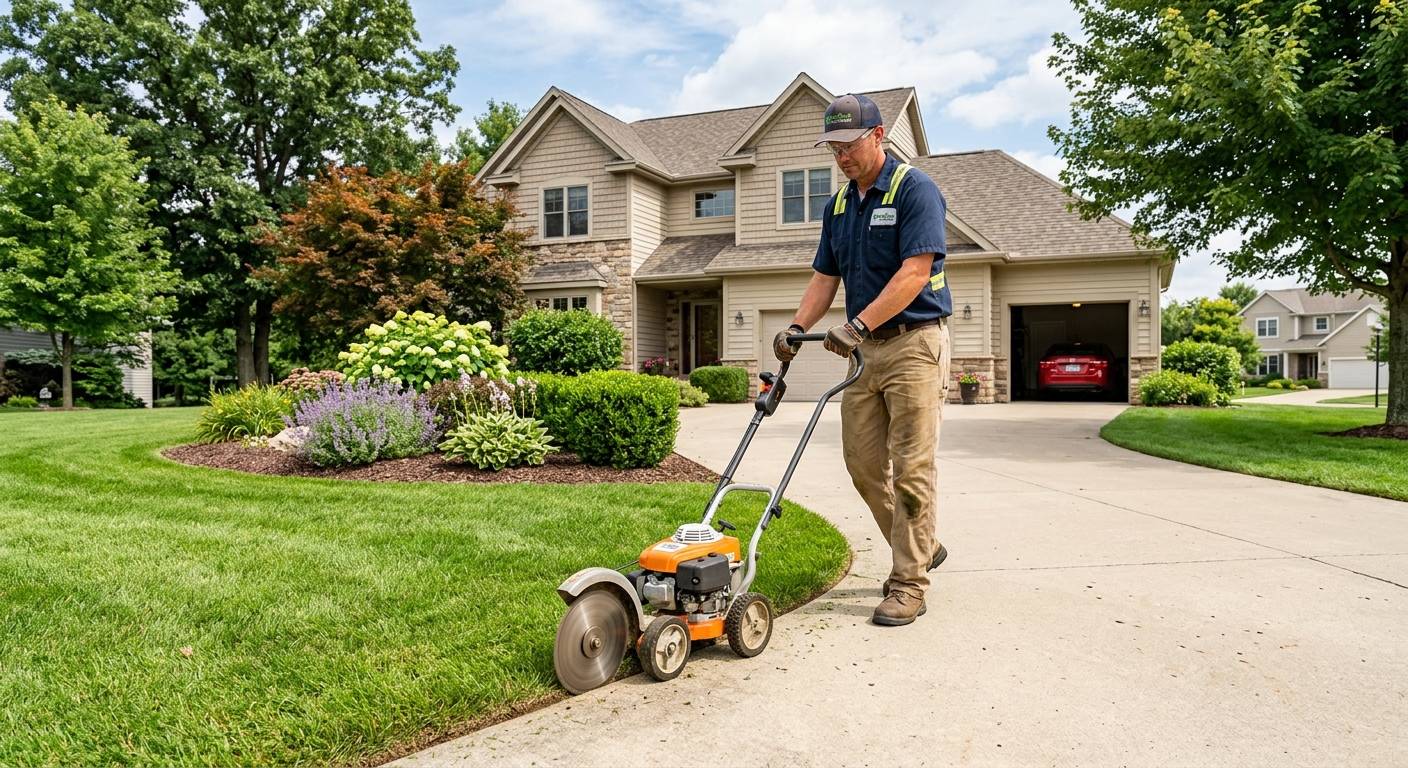
Landscaping options and costs in Evergreen
Evergreen, Alberta is a fast-growing community where homeowners tend to invest in their yards soon after moving in—especially when each detached property has room to add real curb appeal. With a population of 20,780 (Statistics Canada, 2021 Census), the local demand keeps crews busy, and that usually shows up in scheduling and pricing during spring and early summer. Calgary’s regional market also influences cost: labour often represents roughly 40–60% of many landscaping projects, so timing, crew availability, and how much on-site grading is needed can swing the final number. Prairie plant hardiness zones 3–4 plus late-spring frosts and early fall cold snaps mean you’ll pay attention to cold-hardy, wind-tolerant planting and to drainage details—otherwise freeze–thaw cycles can lead to heaving in patios, walkways, and retaining wall bases.
In Evergreen, work is particularly in demand around newer residential pockets and busier approach routes toward Calgary (many homeowners there are modernising home entrances, adding walkways, and building low, durable retaining features). If your property has slopes or you’re replacing older turf, a contractor’s approach to deep, well-compacted bases and soil improvement can be the difference between a long-lasting installation and a costly redo. Use the table below to compare common project types and the typical Evergreen price band, then match the option to your goals, site access, and how much base preparation your yard requires.
| Service |
Description |
Season |
Price Range |
| Full landscape design and installation |
On-site consultation, grading/drainage plan, planting layout, hardscape scope, soil amendment, labour and materials coordination |
Apr–Oct (with limited late-season planting) |
$10,000–$35,000 |
| Sod installation (supply, grade, lay, roll) |
Final grading, topsoil/turf base prep, sod delivery and placement, rolling and initial watering plan |
Mid-May–Aug (best results) |
$2,000–$5,500 |
| Lawn seeding (grade, seed, starter fertilizer) |
Fine grading, seed selection, starter fertilizer, light raking, rolling, and first growth care plan |
Apr–May or early Sep |
$1,500–$4,000 |
| Interlocking patio or walkway |
Excavation, deep compacted base, edge restraints, interlocking pavers, joint sand, cleanup |
May–Sep |
$8,000–$28,000 |
| Retaining wall (interlocking block) |
Layout, excavation to engineered depth, geotextile and drainage gravel, block installation, cap/finishing |
May–Sep (best before fall cold snaps) |
$12,000–$38,000 |
| Tree and shrub planting |
Soil prep, planting holes, staking, watering plan, mulch rings and shrub spacing |
Apr–Jun and Sep–Oct (weather permitting) |
$800–$14,000 |
Prices are estimates only and vary by project scope, site access and material selection.
What affects the price of landscaping in Evergreen
In Evergreen and the broader Calgary area, it’s common to see quotes for the “same job” vary by 30–50%. That gap usually comes from differences in how much base prep is included, the depth of drainage/gravel, the quality tier of soil amendments and plant stock, and how the contractor prices labour around the short working windows created by prairie frost. Even a minor grading change can add equipment time (mini-excavator, compactors, hauling), and since labour can be 40–60% of many projects, those hours move the budget fast.
Zone 3–4 conditions matter year-round. Late spring frosts and early fall cold snaps limit when crews can safely seed and when bases can be compacted to the right density. Retaining wall base work also must reach below the frost-influenced zone to reduce heaving risk—so the excavation and compaction depth affects both material use and time. In contrast, coastal BC’s long growing season supports larger, broader-leaf palettes (though drainage engineering is critical in heavy-rain areas). The BC interior’s water limits push drip irrigation and xeriscaping design. Southern Ontario has a more moderate season, but summer dry spells still impact irrigation planning. For Evergreen homeowners, the practical result is smarter, cold-hardy, drought-tolerant planting plus reliable drainage.
Concrete examples of cost shifts in Evergreen: (1) If your yard has a slope toward the house, adding regrading and a proper drainage bed can push a walkway or patio job upward into the interlocking band—often closer to the top end of $8,000–$28,000. (2) If you’re upgrading from seeding to sod for instant curb appeal, sod can effectively cost about 3–4x more per square foot than seed, and the project may move from the $1,500–$4,000 seeding range toward the $2,000–$5,500 sod range depending on yard size. (3) Older housing stock with compacted soil or drainage issues typically needs more soil amendment and topsoil, which can add cost even if the visible planting area doesn’t change.
| Price Factor |
Why It Matters |
Cost Impact |
| Yard size in sq ft — the primary cost driver for softscape |
More area means more excavation, soil, turf seed/sod, and labour hours |
Typically the biggest swing (often 20–40% of total variance between quotes) |
| Grading and drainage work — slope corrections add significant cost |
Proper fall away from the foundation prevents pooling and freeze–thaw damage |
Can add several thousand dollars depending on how far regrading must go |
| Drainage bed or French drain installation |
Collects and redirects water before it undermines bases or walkways |
Material + trenching time can move the project into a higher band |
| Plant material tier — native shrubs vs. ornamental vs. mature specimen trees |
Cold-hardy survival rates improve with the right species and size; larger stock costs more |
Smaller shrub upgrades are incremental; mature trees can dominate the planting budget |
| Hardscape vs. softscape ratio — walls and patios cost more per sq ft than lawn |
Hardscape requires excavation, deep base, compaction, and edge restraints |
Shifting 200–400 sq ft can materially change totals |
| Irrigation system design and installation |
Zoned controls and drip lines help manage short seasons and water efficiency |
Adds cost, but reduces plant loss and patchy lawn failures |
| Soil amendment and topsoil required |
Heavy clay or compacted fill needs structure, not just “more dirt” |
Can add hauling, labour, and material costs even where plant count stays similar |
| Tree removal or stump grinding before new planting |
Extra equipment and disposal time delay crews and increase labour |
Common reason for sudden quote differences |
Permits & regulations in Alberta
In Alberta, most landscaping work—like planting, sodding, seeding, mulch installation, and typical softscape adjustments—usually does not require a permit. The projects that more often require approval are hardscape and earthworks that can affect safety or drainage. For example, retaining walls above a typical height threshold (commonly 1.0 m / 3.3 ft in many municipalities) generally require a building permit and sometimes engineered drawings, particularly if the design includes reinforcement or significant soil pressure. Also, changes to lot grading that affect how water drains toward neighbouring properties or storm sewer connections can trigger approval requirements because drainage impacts can’t be assumed to be “private-only.”
Before anyone digs in Evergreen, confirm utility locates. Calling to have underground utilities identified is essential before trenching for irrigation, digging planting holes, or building wall footings. After that, verify irrigation and water-use bylaws that may affect scheduling or how you operate controllers—these rules can be especially relevant during dry periods in southern Alberta.
To verify a contractor’s Alberta credentials, follow a simple homeowner checklist: (1) Ask for their business registration/licence and confirm legitimacy using official online resources; (2) request a current certificate of insurance for liability coverage; (3) confirm workers’ coverage (WSIB/WCB) for any workers on site; (4) request a clearance letter (if applicable to their coverage situation) and ensure the names match the invoice/contract. Finally, keep the permit responsibility clear in writing—who pulls permits, what drawings are included, and whether any engineered work is required.
Planning a landscape that thrives in Evergreen's climate
Planning a landscape in Evergreen means designing for Alberta’s freeze–thaw reality, not just for summer curb appeal. With Calgary’s prairie zones 3–4, you’ll want plants that can handle late frosts and early cold snaps, plus a yard layout that prevents water pooling near foundations. Start with plant selection: choose native or zone-appropriate species that are reliably hardy and typically require less watering and winter protection. Avoid “beautiful but borderline” ornamentals unless the contractor proposes a practical winter protection plan and realistic maintenance.
Next, decide sod versus seed. Sod gives instant coverage, but it’s generally 3–4x more per square foot than seeding when you compare full installation—excavation, base prep, and turf handling. Seeding can be more forgiving and budget-friendly, especially if you can water consistently in the first weeks. For drainage and grading, think foundation-first: Calgary-area failures are often hidden under turf, not on the surface. A proper base for patios and retaining features should be built with deep, well-compacted layers appropriate to frost conditions, plus drainage gravel where needed.
For low-maintenance design, combine groundcovers, mulch, and perennials to reduce annual upkeep without losing visual structure. In Evergreen, xeriscape and rain-garden thinking works well—use drought-tolerant plant groupings, efficient irrigation zones, and—where grading allows—shallow infiltration areas to manage stormwater.
A practical cost example: if you’re turning a 400 sq ft front area into lawn, seeding often falls in the $1,500–$4,000 band for typical residential scopes. If you switch to sod for immediate results, you may move toward the $2,000–$5,500 range, and the premium is justified when you need fast appearance for sale timing or high-traffic use. Otherwise, seed plus soil improvement often delivers strong value.
| Element |
Climate Consideration |
Maintenance Level |
Price Band |
| Sod lawn installation |
Best planted during warm stretches; freeze–thaw control depends on proper grade and base stability |
Low to moderate (initial watering and mowing) |
$2,000–$5,500 |
| Native perennial garden |
Winter-hardy plants tolerate chinooks and cold snaps; mulch reduces moisture swings |
Moderate (spring tidy, occasional weeding) |
$1,500–$4,500 |
| Mulched shrub border |
Wind protection and drought-tolerant cultivars reduce watering during dry spells |
Low (mulch refresh and light pruning) |
$800–$3,200 |
| Interlocking stone patio |
Needs deep, well-compacted base to resist frost heave; drainage prevents undermining |
Low (weeding joints; occasional sand/top-up) |
$8,000–$28,000 |
| Retaining wall (block) |
Footings and drainage gravel must be built for prairie freeze conditions |
Low (inspection after heavy freeze–thaw seasons) |
$12,000–$38,000 |
| Drip irrigation system |
Zoned delivery supports drought-tolerant planting and helps manage short, intense growing periods |
Low to moderate (seasonal adjustments and winterisation) |
$1,500–$6,000 |
How to choose a landscaping contractor in Evergreen
Choosing a contractor in Evergreen is mostly about verifying competence and protecting yourself from scope surprises. First, confirm Alberta coverage: request proof of liability insurance and workers’ coverage (WSIB/WCB) for anyone working on site. Then check for the appropriate business standing/licence using official online resources, and make sure the certificate of insurance lists the correct legal entity (the company name on your contract and invoice should match). If they do not want to provide documents up front, that’s a red flag.
Second, get 2–3 itemised written quotes. You want a breakdown that separates labour from materials and clarifies what’s included—topsoil or excavation depth, base preparation, edging, disposal, and whether equipment is counted. Compare scopes line-by-line, not just the total. Confirm if permits are included (when required), whether utility locates are arranged, and who handles waste hauling. A solid quote will specify quantities and product types so two contractors aren’t “estimating different realities.”
Third, confirm warranty terms. Ask for a workmanship warranty length and what it covers (for example, patio base settlement or drainage performance), plus the product/manufacturer warranty details. If plants are included, ask about replacement timelines and what constitutes normal winter loss versus a contractor failure.
Fourth, payment schedule matters: never pay more than 10–15% upfront. Use a holdback until the job is complete and the grading and plantings are accepted as installed. Finally, insist on a written timeline with a start date and estimated completion, plus how weather delays are handled during prairie frost windows.
- Provide proof of liability insurance before any work starts.
- Confirm WSIB/WCB coverage (and that it covers all workers on site).
- Get the Alberta licence/business registration details and verify the legal entity matches the quote.
- Demand itemised labour/material breakdowns (not a single lump sum).
- Ask exact questions about base depth, compaction, and drainage layers for patios/walkways/walls.
- Clarify whether disposal of excess soil and debris is included.
- Confirm utility locates are arranged and included for trenching work.
- Ask whether soil amendment/topsoil is included and what type/quantity.
- Confirm plant substitutions policy (what happens if a plant is unavailable).
- Write down warranty length for workmanship and plant replacement terms (if included).
- Keep upfront payment capped at 10–15% and hold a portion until acceptance.
- Get a written start date, weather contingency plan, and completion estimate.
Red flags to watch for in Evergreen: contractors who won’t provide insurance/coverage documents, quotes that don’t specify grading/drainage and base prep depth, unusually low totals that omit excavation or compaction, lack of a written timeline, and “verbal-only” agreement on warranty and what’s included.
Frequently asked questions — landscaping in Evergreen
How do I plan a low-maintenance yard?
A low-maintenance yard in Evergreen usually starts with three choices: hardy plant selection, better grading/drainage, and a simplified maintenance plan. In Calgary’s zone 3–4 conditions (late frosts and early cold snaps), the easiest path is planting what survives winter reliably—native and cold-hardy shrubs/perennials—then using mulch to reduce weeds and moisture swings. For lawn, decide whether you truly need full sod; seeding is often more budget-friendly, commonly landing in the $1,500–$4,000 band for typical scopes, while sod installation (more “instant payoff”) is often in the $2,000–$5,500 band. Also, keep irrigation zoned and seasonal: drip for beds plus a smart controller helps prevent overwatering and reduces labour. Finally, plan hardscape where you walk most to avoid high-wear grass repairs and extra patching.
How deep should a retaining-wall base be for local frost?
For Evergreen and the broader Calgary area, the retaining-wall base needs to go deep enough to resist frost-related movement and to support the block and soil behind it. In practice, depth is determined by the wall height/design, soil conditions, and local engineering requirements—so you should not rely on a one-size number without a site assessment. What you can insist on in quotes is “deep, well-compacted base” plus drainage layers: geotextile separation, proper drainage gravel behind the wall, and adequate compaction. If your wall is above the typical permit threshold (commonly 1.0 m / 3.3 ft in many municipalities), plan on a permit and possibly engineered drawings, which helps ensure the excavation depth and drainage approach are safe. This is one reason retaining walls can sit in the $12,000–$38,000 band—good foundations cost more upfront but reduce the odds of freeze–thaw failure.
How much does professional landscape design cost?
Professional landscape design in the Calgary/ Evergreen area is often priced based on site complexity (grading, drainage issues, and the mix of hardscape/planting) and whether you need full drawings versus a concept plan. Many homeowners end up paying for “design + install” together to avoid misalignment between the plan and the real base/drainage requirements—especially with severe freeze–thaw cycles that impact patios and retaining wall footings. For planning-only scopes, contractors may price it differently than full builds, but for budgeting purposes, full landscape design & installation frequently starts around the mid-range of $10,000–$35,000 once grading, materials coordination, and labour are included. If your project is primarily planting, you may be able to keep the design portion smaller and still achieve solid results—your installer can focus on species selection and spacing that matches Alberta’s short season and wind exposure.
How do I compare landscaping quotes?
Compare quotes the way you’d compare construction work: line-by-line scope, not just totals. In Evergreen, quote differences often come from what’s included in grading and drainage and how deep the contractor builds the base under patios/walkways. Ask each contractor to itemise labour and materials, including soil amendment/topsoil (type and quantity), excavation depth, compacted base layers, edge restraints, joint sand, and whether drainage gravel/French drains are included. Also check whether permits and utility locates are included where required—especially for retaining walls that may need approval. Watch for disposal: excess soil and construction debris hauling can change totals. Finally, ensure warranty terms are comparable (workmanship and product warranties). Even when the project type looks the same, gaps in these details are a major reason quotes can differ by 30–50%.
How long does a landscaping project take in Evergreen?
Project duration depends on the scope and how quickly crews can work during Alberta weather windows. Typical softscape-focused tasks (planting plus mulch) can move faster—often within days—while anything involving excavation and base preparation (interlocking patios/walkways, retaining walls, drainage work) usually takes longer because proper compaction needs time and equipment scheduling. A full landscape design and installation can stretch into multiple weeks when grading, hardscape build, and planting phases are sequenced. In Evergreen, plan around late-spring frosts and early fall cold snaps: the contractor may pause seeding and adjust planting timing if conditions aren’t right. If you’re considering sod, remember it still requires a quality base and initial watering care, so even if sod “lays fast,” prep and curing steps matter. For budgeting and scheduling, use an itemised quote and ask for a written timeline with weather contingencies.
What is the best grass type for a Evergreen lawn?
For Evergreen lawns, the “best” grass is typically a cold-tolerant, wear-resistant type that handles prairie winters and short seasons. In southern Alberta, homeowners commonly choose turfgrass blends that prioritise hardiness over lush, water-hungry growth. The practical best choice depends on sun exposure (full sun versus shade), foot traffic, and how soon you can water during establishment. If you want quicker results and can commit to proper grade and early watering, sod in the $2,000–$5,500 band can get you there fast. If you prefer a more budget-friendly approach, seeding in the $1,500–$4,000 band is often effective when you time it for good germination and avoid early cold snaps. Your installer should recommend a seed blend tuned for Alberta conditions and provide a starter fertilizer and watering plan for the first weeks.