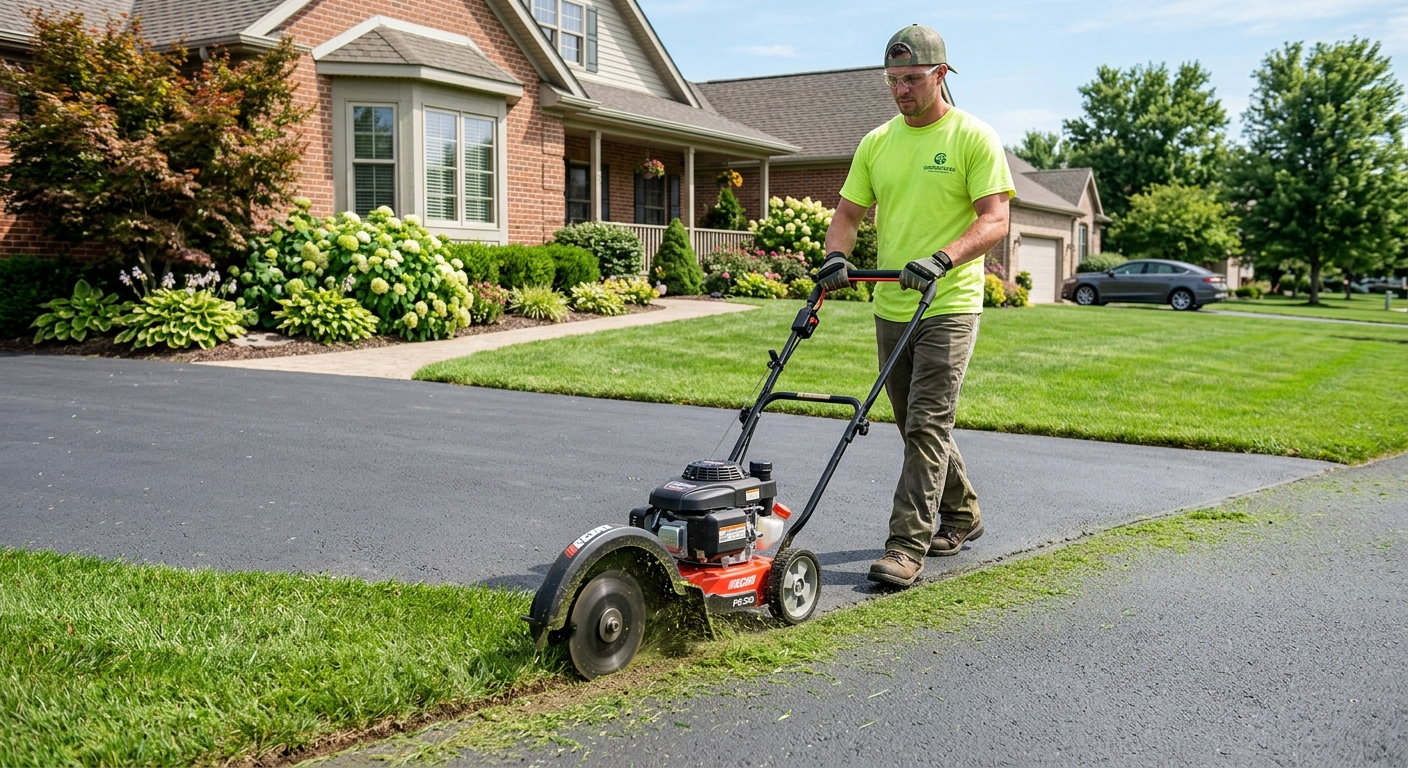
Landscaping options and costs in Lincoln Park
In Lincoln Park, Alberta, homeowners typically choose from a few proven landscaping paths: full-service design-and-build, targeted hardscaping, or “softscape refresh” projects like planting beds and lawns. Lincoln Park is a smaller community in the Calgary economic region, with a 2021 population of 1,590 (Statistics Canada, 2021 Census), and that matters—local contractors can be busier around the limited spring and fall windows when the ground is workable. Many detached homes bring extra yard space and incentive to invest in curb appeal and functional drainage, which is why you often see patios, graded walkways, and shrub borders bundled together rather than done in isolation.
Calgary-area landscaping costs are shaped by the Prairie plant hardiness zones 3–4, where late-spring frosts and early fall cold snaps shorten the planting window. Freeze–thaw cycles are severe, so retaining walls, patios, and walkways rely on deep, well-compacted bases and proper drainage to avoid heaving and premature settling. Labour is also a key driver—local crews are in demand for both hardscape prep and planting in the same tight season, and comprehensive projects across the broader Calgary region commonly land in the mid five-figure range once grading, hardscape, planting, and irrigation are included.
If you’re comparing proposals, start with what you’re actually buying—design, base prep depth, drainage solutions, and the plant palette—then use the table below to line up realistic budget expectations for Lincoln Park.
| Service |
Description |
Season |
Price Range |
| Full landscape design and installation |
On-site assessment, concept-to-install plan, grading/drainage coordination, hardscape build (where needed), planting, and cleanup |
Late April to October (best results mid-May to September) |
$10,000–$38,000 |
| Sod installation (supply, grade, lay, roll) |
Light grading, soil preparation, turf supply, laying pattern, rolling/initial watering guidance |
Mid May to mid August |
$3,000–$6,500 |
| Lawn seeding (grade, seed, starter fertilizer) |
Re-grade to correct low spots, seed + starter fertilizer, light topdressing where required |
Early May or early September (depending on soil temps) |
$1,500–$3,800 |
| Interlocking patio or walkway |
Excavation to specified depth, base, edging, sand setting bed, jointing, compaction, final grading tie-in |
May to September |
$8,000–$22,000 |
| Retaining wall (interlocking block) |
Block wall build with reinforced base, drainage behind wall, and compacted backfill |
May to September |
$12,000–$35,000 |
| Tree and shrub planting |
Planting design layout, soil amendment, staking as needed, watering setup guidance |
May to early October |
$1,200–$10,000 |
Prices are estimates only and vary by project scope, site access and material selection.
What affects the price of landscaping in Lincoln Park
In Lincoln Park and the wider Calgary area, you can see landscaping quotes for the “same job” land 30–50% apart because contractors price the hidden parts differently: base excavation depth, drainage strategy, soil amendments, haul/disposal, and how many labour hours it takes with your site access. Two crews may both say “interlocking patio,” but one includes proper underdrain and a thicker engineered base to handle freeze–thaw in zones 3–4, while the other is light on prep—those choices directly affect longevity and cost.
Prairie frost dates and severe freeze–thaw cycles define what can be installed and how robust it must be. In southern Alberta (Zone 3–4), you typically need cold-hardy, wind-tolerant, drought-resistant species, plus deep base work for patios and retaining walls so the soil doesn’t heave. Coastal BC (Zone 7–8) often has a longer planting window and lush palettes, but drainage for heavy rainfall can add cost. Meanwhile, interior BC water restrictions usually push drip irrigation and xeriscaping, and southern Ontario (Zone 5–6) tends to focus irrigation planning on summer dry spells rather than deep winter freeze.
Concrete examples in Lincoln Park: (1) If your yard has a sloped driveway approach or downspouts dumping toward the foundation, grading + drainage corrections can lift a project into the mid band—often moving a “planting-only” plan toward full landscape design budgets (commonly $10,000–$38,000) because base prep and drainage become mandatory. (2) If you want sod to “finish fast,” expect higher turf material and higher labour intensity—sod installs often sit in the $3,000–$6,500 band versus seeding projects that may be notably lower when conditions allow.
Older housing stock also affects pricing. Mature landscaping removals, compacted soils, and roots can add labour and disposal, and when excavation reveals poor subgrade, the fix is rarely cheap—think more base rock, more compaction, and more soil amendment to support stable freeze–thaw performance.
| Price Factor |
Why It Matters |
Cost Impact |
| Yard size in sq ft — the primary cost driver for softscape |
More area means more labour hours, materials, and bed prep (topsoil/compost/mulch or turf) |
Often the biggest swing; can move budgets by 20%+ for the same “type” of install |
| Grading and drainage work — slope corrections add significant cost |
Freeze–thaw and foundation moisture control require correct slopes and tie-ins |
Can add several thousand dollars depending on extent of regrading |
| Drainage bed or French drain installation |
Captures subsurface water and reduces pooling behind walls and near foundations |
Typically increases cost materially versus surface-only grading |
| Plant material tier — native shrubs vs. ornamental vs. mature specimen trees |
Hardiness, size, and survivability under Alberta conditions vary by species and maturity |
Specimens and imported/ornamental stock can multiply material costs |
| Hardscape vs. softscape ratio — walls and patios cost more per sq ft than lawn |
Hardscape requires excavation depth, base, compaction, and often edging |
Projects lean hardscape-heavy can jump into mid five figures quickly |
| Irrigation system design and installation |
Zoned systems and smart controllers help during short growing seasons and restrictions |
Can add budget on top of planting or turf work, but improves establishment |
| Soil amendment and topsoil required |
Compacted or rocky soils need amendment for rooting and stable turf performance |
Varies with site; can be a “small” line item or a major scope driver |
| Tree removal or stump grinding before new planting |
Roots and stumps complicate grading and limit where you can build/plant |
Often adds significant labour and disposal/haul costs |
Permits & regulations in Alberta
In Alberta, most landscaping work such as planting beds, sodding, seeding, mulching, and typical softscape installs usually does not require a permit. However, retaining walls are the big exception: in many municipalities, retaining walls above a height threshold—commonly 1.0 m (3.3 ft)—may require a building permit and sometimes engineered drawings, especially where the wall retains significant soil load or sits near a property line or foundation. Also note that changes to lot grading that affect drainage direction (for example, redirecting water toward a neighbouring property or storm connections) can trigger approval requirements.
For anything involving digging, call utility locates before you start. That includes planting holes for trees/shrubs, trenching for French drains, and excavating wall footings or patio bases—hitting buried services is a major risk. For watering compliance, confirm current irrigation and water-use rules. Even though Calgary can face restrictions during dry stretches, bylaws can tighten quickly—smart controllers, zoned drip where appropriate, and watering windows often keep projects compliant.
To verify your contractor in Lincoln Park, Alberta, follow this sequence: (1) check their Alberta business registration (and contractor credentials where applicable) and confirm they’re actively operating; (2) request a current certificate of insurance showing general liability (and any specific coverage for hardscape/excavation if needed); (3) confirm WSIB/WCB coverage status—your contract should clearly state that workers are covered; and (4) ask for a clearance letter when applicable and keep copies for your records.
Planning a landscape that thrives in Lincoln Park's climate
To plan a yard that thrives in Lincoln Park, design around the climate realities of hardiness zones 3–4: short growing seasons, freeze–thaw cycles, wind exposure, and periods of dry soil. Start with plant selection—choose native or zone-appropriate species that establish well with less watering and have built-in winter toughness. Next, decide whether you need instant turf or you can wait for longer establishment. In Calgary-area conditions, sod gives immediate curb appeal, but it costs more and is more sensitive to timing and water management; seeding is often a better fit when you can seed in early spring or early fall and follow up with light maintenance.
Drainage and grading are non-negotiable. Correct slopes away from the house and manage downspout routes to prevent pooling and foundation moisture. For hardscape like patios and retaining walls, base preparation must be deep and well-compacted to perform through the local frost line and winter thaw cycles—this is where cheaper quotes typically cut corners.
For low-maintenance design, layer groundcovers, mulch, and hardy perennials rather than relying on high-water grass alone. Xeriscaping concepts can work well even in semi-arid Calgary: use drought-tolerant plantings, mulch, and efficient irrigation design. If you’re adding irrigation, zone it by plant water needs and consider drip for beds and targeted watering for establishment.
Where does the price difference make sense? If you’re deciding between sod and seeding for a typical lawn refresh, sod may land in the $3,000–$6,500 range, while seeding often fits lower budgets (for example, $1,500–$3,800). That extra cost can be justified when you need immediate appearance for resale, or when a sod install is timed perfectly and backed by proper soil prep and watering—otherwise, seeding can deliver better long-term cost value.
| Element |
Climate Consideration |
Maintenance Level |
Price Band |
| Sod lawn installation |
Needs consistent establishment watering before deep winter; must be timed to avoid late frost stress |
Medium (establishment watering, first-season care) |
$3,000–$6,500 |
| Native perennial garden |
Cold-hardy structure and better wind tolerance in zones 3–4 with less seasonal water demand |
Low to medium (spring cleanup, occasional weeding) |
$2,000–$8,000 |
| Mulched shrub border |
Mulch buffers freeze–thaw and reduces surface drying; choose drought-tolerant shrubs |
Low (mulch refresh, pruning) |
$1,500–$6,500 |
| Interlocking stone patio |
Requires deep, compacted base for frost heave resistance and proper drainage away from the home |
Low (occasional joint maintenance) |
$8,000–$22,000 |
| Retaining wall (block) |
Must include drainage backfill and adequate base depth for Alberta freeze–thaw |
Low (visual inspections, occasional settling checks) |
$12,000–$35,000 |
| Drip irrigation system |
Efficient for semi-arid conditions and plant establishment; supports zoning for drought-tolerant areas |
Medium (seasonal adjustments) |
$1,200–$5,500 |
How to choose a landscaping contractor in Lincoln Park
Choosing a contractor the right way protects your budget and your yard’s long-term performance in Alberta’s freeze–thaw climate. Start by verifying licensing and coverage. Ask whether their crews are covered by WSIB/WCB (and request a clearance letter where applicable). Confirm general liability insurance via a certificate of insurance, and ensure it’s current before work begins. If the job involves excavation or hardscape base work near services, make sure they follow safe locating practices—utility locates should be ordered before digging planting holes, French drains, or wall footings.
Next, get 2–3 itemised written quotes. You want a breakdown that includes labour and materials separately: excavation depth, base material type, drainage components, edging, topsoil/compost quantities, and the plant or turf list. A good quote also states what’s excluded (for example: permit fees if required, haul-away/disposal, repairs to existing irrigation, or electrical tie-ins for controllers). Clarify whether permit pull (where required for larger retaining walls) is included and who handles it.
Warranty matters in Calgary. Ask for workmanship warranty length and whether product warranties apply to plant material and irrigation components. Find out if warranties are transferable to future homeowners. On payment, never pay more than 10–15% upfront; hold back a portion until completion and final cleanup.
Finally, request a written timeline: a start date estimate, weather-contingency notes, and a realistic completion window based on access and material lead times.
- Provide a written scope with excavation depth, base spec, and drainage details.
- Include material lists: sod/seed type, block system, drainage rock, and fabric specifications.
- Show labour and material line items (not a single lump sum).
- Confirm disposal/haul-away included (especially for old sod, roots, and base rock removal).
- State who orders utility locates before digging.
- Confirm WSIB/WCB coverage and request a clearance letter where applicable.
- Provide current certificate of insurance (liability) and verify it matches the work scope.
- Explain warranty terms in writing (workmanship + manufacturer coverage).
- Use a payment schedule with a small deposit and a completion holdback (10–15% rule).
- Describe weather contingencies for late frosts and ground saturation (freeze protection plan).
- List schedule assumptions: delivery dates, curing/compaction time, and irrigation commissioning.
- Have a clear communication plan for change orders if site conditions differ.
In Lincoln Park, red flags to watch for: (1) quotes that mention “interlocking” or “retaining wall” but don’t specify drainage behind walls or base depth; (2) contractors who won’t show insurance/WSIB/WCB coverage before starting; (3) large deposits (more than 20%) or refusal to use a completion holdback; (4) no itemised breakdown of haul-away/disposal, so you get surprises mid-job; and (5) vague timelines with no weather contingency or written schedule.
Frequently asked questions — landscaping in Lincoln Park
How do I compare landscaping quotes?
Start by comparing scope line-by-line, not just total price. For Lincoln Park, ensure each quote describes the same base prep depth, drainage approach, and compaction method—those determine how patios and retaining walls survive Calgary’s freeze–thaw cycles. Ask for an itemised breakdown of labour and materials (sod or seed type, soil amendment quantities, edging, and any drainage rock or underdrain). Check what’s included for disposal/haul-away and whether utility locates are included before digging. If one contractor is quoting a full project while another is quoting “planting only,” the numbers will differ even if the yard looks similar. As a quick reference point, a seeding refresh may land around $1,500–$3,800, while sod installs in the same general scenario often run $3,000–$6,500 depending on prep and timing.
How long does a landscaping project take in Lincoln Park?
Timing in Lincoln Park is mostly about workable ground and weather. For softscape-only work like tree and shrub planting, many projects can be completed in a day to several days once materials arrive—weather permitting. Turf projects depend on prep and establishment rules: sod installations often take 1–3 days for an average lot area, but you’ll still need follow-up watering for proper root connection. Hardscape jobs (patios/walkways) take longer due to excavation, base building, compaction, and curing of joints/sand bedding—commonly several days to a couple of weeks depending on size. Retaining walls can require additional time for staged building and drainage backfill. Always ask the contractor for a written timeline with frost and rain contingencies, because late spring frosts and early fall cold snaps can pause outdoor work.
What is the best grass type for a Lincoln Park lawn?
For Alberta lawns in Lincoln Park, the “best” grass is usually a cold-tolerant blend that can handle winter stress and dry spells. Many homeowners choose mixtures that include hardy perennial ryegrass components blended for density and wear tolerance, paired with drought-tolerant fine fescue varieties for resilience in semi-arid Prairie conditions. The right choice also depends on sun exposure (full sun vs. partial shade), traffic, and how you plan to maintain mowing height in summer. If you’re trying to re-establish a damaged lawn, seeding is often preferred when timing aligns with early spring or early fall conditions. A contractor can match seed to your soil and sun levels, which matters as much as the species—especially when freeze–thaw and drainage issues exist under the turf.
When should I aerate and overseed my lawn in Lincoln Park?
In Lincoln Park and the broader Calgary area (zones 3–4), aim for aeration and overseeding when the grass can regrow quickly without being stressed by frost. Common timing is early spring, once the soil is workable and frost risk is easing, or early fall when temperatures cool but the lawn still has enough warmth to establish before deep cold. Overseeding works best after a light dethatching or mow-down to reduce competition. If your lawn has low spots or persistent pooling, aeration alone won’t solve it—grading and drainage corrections may be required before you spend on seed. For budgeting, an overseeding/seeding approach may align with the $1,500–$3,800 band depending on prep and area, but expect higher costs if drainage fixes or soil amendment are part of the scope.
What trees grow best in Lincoln Park's climate zone?
Lincoln Park’s climate (Prairie Zone 3–4) supports many cold-hardy trees, especially those that tolerate wind and winter conditions. Common homeowner favourites include hardy deciduous options like Saskatoon serviceberry (more shrub-like but excellent structure), and sturdy small-to-medium trees such as Manitoba maple selections and various ornamental types that are known for winter performance. For an evergreen backbone, choose conifers proven for Alberta conditions (for example, dwarf Alberta spruce and other cold-hardy spruces depending on available space). The best tree for your yard depends on mature height, sun exposure, soil moisture, and whether you have irrigation support. A good contractor will also place trees with wind protection in mind—spacing matters because Alberta wind can desiccate exposed sites in shoulder seasons.
How much does sodding a yard cost in Lincoln Park?
Sodding costs vary mainly by turf area and how much prep the site needs. In Lincoln Park, a typical sod project often lands in the $3,000–$6,500 range for many homeowner-sized lots, but it can climb if grading is required, subgrade is poor, or the contractor includes drainage improvements. Sod itself is only part of the cost—soil prep, topsoil/compost (if required), base correction for low spots, and proper rolling/edges all impact the final number. Timing is critical too: laying sod too close to late spring frosts or early fall cold snaps can lead to weaker establishment, and you may pay more to redo sections. If your existing lawn is uneven, it’s often better value to seed the areas that don’t need immediate coverage and reserve sod for the highest-visibility zone.