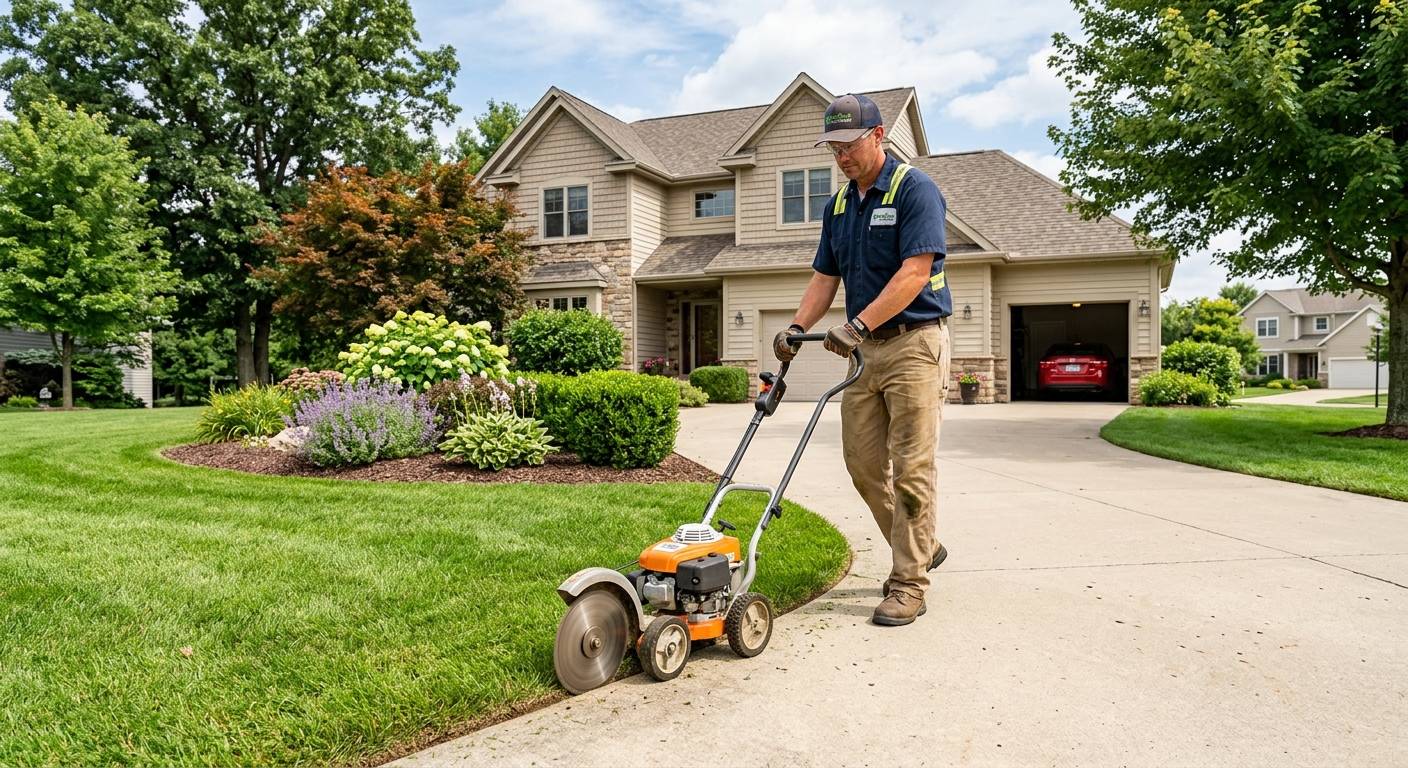
Landscaping options and costs in Penticton
Penticton homeowners often invest in landscaping because the city’s housing stock includes a lot of single-detached homes (40.3% of dwellings), and when you own your property (63.3% of households are homeowners, Statistics Canada, 2021 Census), curb appeal and usable yard space tend to matter. With 36,885 residents in 2021 (Statistics Canada, 2021 Census), there’s enough local demand to keep contractor availability fairly strong—especially in spring and early fall when work windows are best.
In the Thompson–Okanagan, landscaping costs are shaped by zone ~5–6 growing conditions and the reality of freeze–thaw cycles. The frost-free season is typically mid-April/May to mid-October, so contractors schedule grading, drainage, and planting when soils aren’t frozen and crews can work efficiently. Because summers are hot and dry, efficient irrigation and drought-tolerant planting often add to the scope—but they also reduce ongoing watering costs during restrictions and metered-water periods. In older neighbourhoods and areas with more homes built before 1981 (45.5% of dwellings, Statistics Canada, 2021 Census), you’ll commonly see tighter lot lines, mature trees, and older drainage patterns—factors that can raise labour and disposal costs if we have to correct slope and base prep beneath patios or steps.
Work is especially in demand around the Okanagan Lake corridor and in neighbourhoods closer to transit and retail, where many lots have steep sideyards and views to protect. If you’re comparing options, the table below gives realistic Penticton pricing ranges you can use as a starting point before contractors assess access, soils, and drainage.
| Service |
Description |
Season |
Price Range |
| Full landscape design and installation |
Site visit, concept plan, grading/drainage notes, planting layout, irrigation plan, hardscape/softscape build |
Spring or fall |
$8,000–$40,000 |
| Sod installation (supply, grade, lay, roll) |
Light grading, soil prep, topsoil/amendment as needed, deliver & lay sod, rolling and initial watering plan |
Late spring through early fall |
$6–$14 |
| Lawn seeding (grade, seed, starter fertilizer) |
Grade to smoothness, seed selection, starter fertilizer, light topdressing and first watering schedule |
Spring or early fall |
$3–$6 |
| Interlocking patio or walkway |
Excavation, compaction, base and edge restraints, pavers, sand setting bed, finishing |
Spring through fall |
$80–$220 |
| Retaining wall (interlocking block) |
Excavation, compacted base, geotextile, drainage gravel, weeper pipe if required, block installation |
Spring through early fall |
$80–$220 |
| Tree and shrub planting |
Plant selection, delivery, planting holes, amendments, staking, mulch rings, first-season watering guidance |
Spring or fall |
$250–$8,000 |
Prices are estimates only and vary by project scope, site access and material selection.
What affects the price of landscaping in Penticton
In Penticton and across the Thompson–Okanagan, the same “basic” landscape can land 30–50% apart in price because drainage needs, slope, and plant/irrigation complexity differ lot-to-lot, and because contractors price both labour risk and equipment time. South Interior Canada also has a shorter, more seasonal installation window than coastal BC, so crews often protect their calendar by bundling work and pricing the weather risk into the quote. In contrast, coastal BC’s longer growing season supports lush planting, but heavy rainfall areas still require solid drainage detailing.
Your hardiness zone and frost dates matter for both what grows and what can be installed. In zone ~5–6, the thaw–freeze rhythm increases the importance of a deeper, well-compacted base for anything hardscaped, including patios and steps. That’s one reason drainage and grading can swing costs—especially when we’re correcting pooling near foundations or moving runoff safely. In hotter, drier Interior summers, efficient irrigation (drip lines, smart controllers, and proper zoning) is frequently recommended to keep plantings alive under water restrictions. In prairie regions, the working season is shorter and wind/drought tolerance is critical; while we’re not as extreme as Zones 2–4, you still see similar cost drivers like drought-tolerant palettes and soil amendments.
Concrete examples from Penticton: (1) a front-yard refresh that’s mostly planting may fall into the $250–$8,000 tree & garden planting band, while adding grading plus topsoil trucking for a sloped yard often pushes the total into the $8,000–$40,000 full design & installation range. (2) If you switch from seeded lawn to sod, you’re trading time and establishment risk for cost; sod typically costs more per square foot but can look complete sooner, which some homeowners justify when they’re preparing a home for sale. (3) Homes built before 1981 often have older grading patterns, so fixing drainage around patios or walkways can require additional base depth and drainage layers to prevent heaving—more materials, more excavation, and more labour.
| Price Factor |
Why It Matters |
Cost Impact |
| Yard size in sq ft — the primary cost driver for softscape |
More area means more labour hours, more soil/topsoil, and more materials per square foot |
Low to very high; can swing the job by thousands |
| Grading and drainage work — slope corrections add significant cost |
Interior freeze–thaw requires smooth, stable grades and water paths away from foundations |
Often adds 20–40% when significant re-contouring is needed |
| Drainage bed or French drain installation |
Wet spots, retaining wall areas, and downspout runoff need sub-surface solutions |
Can be a major cost add depending on depth and length |
| Plant material tier — native shrubs vs. ornamental vs. mature specimen trees |
Size and sourcing affect delivery, planting labour, and follow-up staking/watering |
Mature specimens can multiply the “planting only” line item |
| Hardscape vs. softscape ratio — walls and patios cost more per sq ft than lawn |
Pavers and block require excavation, compacted base, and precise finishing |
Shifts pricing quickly toward the retaining wall & patio bands |
| Irrigation system design and installation |
Drip zoning, controller setup, and emitter selection are key in hot/dry summers |
Often adds meaningful cost but reduces plant loss and water waste |
| Soil amendment and topsoil required |
Heavier soils and variable fills need amendments for rooting and drainage |
Small amendments are minor; trucking/removal can be substantial |
| Tree removal or stump grinding before new planting |
Root barriers, stump height, and disposal time add labour and equipment |
Can increase project cost and schedule, especially on tight lots |
Permits & regulations in British Columbia
In British Columbia, most typical residential landscaping—planting beds, sodding, and the majority of softscape work—typically does not require a permit. The areas that more often require approvals are retaining walls above the local height threshold (commonly around 1.0 m in many municipalities), plus any work that changes lot grading in a way that affects drainage toward neighbours or storm connections. Because requirements can vary by municipality, your safest move in Penticton is to confirm with the City before the crew starts excavation or base-building.
Here’s what generally does not need a permit: mulching and planting, seeding, adding topsoil to planting beds (minor grade adjustments), installing drip irrigation within normal yard work, and building garden borders that don’t meet the retaining wall threshold. Here’s what can require a permit: retaining walls over the threshold, larger engineered retaining systems, any structural steps or walls tied to foundation work, and significant grading/drainage re-routing.
Utility locates are another practical requirement: call to have underground services marked before digging planting holes, trenching for irrigation, or installing retaining wall footings. Also, verify water-use rules before you commit to irrigation scope—BC interior drought conditions and metering often mean stricter expectations for efficient watering.
To verify a contractor in British Columbia, check three things step-by-step: (1) licensing/registration (if applicable) via the appropriate provincial/industry registry or the contractor’s posted business info; (2) liability insurance—request a current certificate of insurance and confirm it matches the work address; and (3) coverage for workers—ask for evidence of WCB clearance/coverage where required. If any of these are missing or outdated, treat it as a red flag and request updated documentation before signing.
Planning a landscape that thrives in Penticton's climate
Planning for Penticton means working with zone ~5–6 conditions, a hotter/drier summer, and freeze–thaw cycles that punish poorly drained bases. Start with plant selection: choose native or zone-appropriate species that tolerate summer heat and don’t require constant watering, and add sensible winter protection where needed (mulch depth, proper watering before freeze, and windbreaks for tender plants). If you want low failure rates, base your planting palette on hardy structure plants first (shrubs/perennials) and then add seasonal colour as accents.
For lawns, sod vs. seed is a practical trade-off in the Interior. Sod gives instant curb appeal and quick erosion control, but it costs significantly more per square foot than seeding—often 3–4x—while still needing proper base prep and first-season water management. Seeding is cheaper, but it takes longer to fill in and is more sensitive to washouts and irrigation scheduling.
Drainage and grading are non-negotiable in the Thompson–Okanagan. If you ignore them, you can end up with pooling, foundation moisture, and heaving around patios and steps. Hardscape base preparation matters too: pavers and block walls rely on compacted aggregate layers built for local frost behaviour, so drainage gravel and geotextile under retaining systems are not “optional extras.”
Low-maintenance design strategies make a big difference for busy homeowners: groundcovers to reduce bare soil, mulched shrub borders to control weeds, and perennials that return reliably. Xeriscape and rain-garden elements are especially useful here—swales or designed basins can capture runoff, then release it slowly so you’re not paying to irrigate water you already have.
One dollar example: if a 500 sq ft lawn area costs “seed-ready” at the lower seeding band (around $3–$6 per sq ft) versus sod (commonly $6–$14 per sq ft), the difference can be roughly $1,500 to $5,500 depending on site prep and material choice. That premium is often justified when you need fast visual results or when seeded areas face higher erosion on a slope.
| Element |
Climate Consideration |
Maintenance Level |
Price Band |
| Sod lawn installation |
Hot, dry summers require correct watering windows; freeze–thaw makes base prep critical to prevent uneven settling |
Medium (watch establishment watering for the first season) |
$6–$14 |
| Native perennial garden |
Zone-appropriate plants handle cold snaps and reduce watering needs; mulch helps moderate soil temps |
Low after establishment |
$250–$8,000 |
| Mulched shrub border |
Drought-tolerant shrubs plus mulch rings improve moisture retention; correct spacing improves air flow in summer |
Low (weeding in year one, then annual refresh) |
$250–$8,000 |
| Interlocking stone patio |
Requires a compacted base and drainage to resist frost heaving; avoid pooling runoff toward the home |
Low (occasional joint sand top-up) |
$80–$220 |
| Retaining wall (block) |
Drainage gravel, proper weep provisions, and stable footing depths reduce freeze–thaw movement |
Low to medium (periodic inspection for settlement) |
$80–$220 |
| Drip irrigation system |
Hot/dry conditions in the Interior reward zoning and emitters; efficient watering supports water restriction compliance |
Low (controller scheduling adjustments) |
$1,500–$6,000 |
How to choose a landscaping contractor in Penticton
Choosing a contractor in Penticton comes down to verifying credentials, getting itemised quotes, and making sure the scope is clear enough that the job can’t “drift” mid-way. Start with British Columbia coverage checks: ask for a current liability insurance certificate (confirm it covers the homeowner as additional insured if offered, and that it’s valid for the work dates), and request proof of worker coverage through the provincial WCB/worker compensation channel (where applicable). If the contractor is using subcontractors, confirm those subs are covered too.
Next, get 2–3 written, itemised quotes—not just a lump sum. You want a labour + materials breakdown that shows things like excavation depth, base material, drainage components, irrigation components, plant counts/sizes, and disposal fees. Carefully read what’s excluded: often, quotes assume existing soil is suitable, sod edges are straight, and there’s easy access for skid steers or dump trucks. Also ask whether the contractor includes permit pulls (if applicable), utility locates coordination, and topsoil import or grading allowances.
Warranty matters for workmanship and products. Ask how long the contractor’s workmanship warranty lasts, whether product warranties are manufacturer-backed, and whether warranties are transferable to future owners. For payment, keep it conservative: never pay more than 10–15% upfront. Hold back the remainder until the job is complete, cleaned up, and plants/irrigation are demonstrated. Finally, request a written start date and an estimated completion timeline—seasonal scheduling in the Thompson–Okanagan can be tight, so “weather permitting” should be clearly defined.
- Request a certificate of insurance before work begins (liability matching the Penticton address).
- Confirm worker compensation coverage and ask for clearance evidence where applicable.
- Ask for an itemised quote (labour, materials, equipment, disposal, taxes/fees as applicable).
- Verify plant lists: count, pot size/height, and whether substitutions require approval.
- Confirm drainage scope in writing (French drains, weeping tile, and discharge route).
- Ask for base specs for hardscape (aggregate depth, compaction method, edge restraints).
- Clarify irrigation scope: drip vs sprinkler, zoning, controller model, and coverage area.
- Get a clear start date and completion target, plus what happens if delays occur.
- Confirm disposal/haul-away costs are included or state how they’re billed.
- Review warranty length for workmanship and how issues are handled (photos, visits, timelines).
- Set payment milestones in writing; keep upfront payment at 10–15% maximum.
- Walk the site with the foreman to confirm access for equipment (skid steer/dump truck).
Red flags in Penticton: contractors who won’t show insurance/WCB paperwork, vague quotes that don’t specify base depth or drainage, pressure for large upfront payments, no written timeline/scope, and “free” landscaping that turns into change-orders because exclusions weren’t discussed.
Frequently asked questions — landscaping in Penticton
How do I prevent weeds in my Penticton garden?
Weeding prevention in Penticton starts with reducing bare soil and giving plants enough space to form a dense canopy. For beds, use a proper weed barrier under mulch only where appropriate (and avoid burying crowns of shrubs), then apply enough mulch to maintain consistent coverage year-round. In the first season after installation, expect occasional weeds—control them early when they’re small to prevent root spread. If you’re doing a border renovation, adding edging (metal or stone) helps stop lawn grasses from creeping into planting areas. For lawns, thinning and poor establishment invite weeds, so make sure any seeded or sodded area is graded correctly before you start—otherwise you’ll fight washouts during Interior storms. If your yard is in a freeze–thaw active zone, drainage fixes also reduce stressed areas where weeds take over.
How do I design a low-water yard in Penticton?
A low-water Penticton yard is mostly a design and irrigation plan, not just “drought-tolerant” plants. Choose zone-appropriate shrubs and perennials, group plants by water need, and use mulch depth to reduce evaporation. For irrigation, drip zoning and a smart controller make a big difference because summers in the Interior are hot and dry, and watering inefficiency can become expensive quickly. If you’re comparing lawn options, seeded lawns are typically less costly than sod (for example, seeding is often in the $3–$6 per sq ft range versus sod commonly at $6–$14 per sq ft), and you can reduce irrigation demand once the lawn is established—though seed takes longer to fill in. Consider xeriscape elements like gravel/rock mulch, groundcovers, and rain-garden basins that capture runoff away from foundations. If you’re working near a retaining wall or slope, drainage first prevents waterlogging, then irrigation focuses only on what the plants truly need.
How do I find a licensed landscaper in Penticton?
In British Columbia, landscaping contractors aren’t all licensed the same way across every service, but you can still protect yourself by verifying proper business credentials and coverage. Start by requesting their certificate of liability insurance and confirming it matches the Penticton job address and dates. Then ask for worker compensation coverage documentation (WCB) and make sure any subcontractors are also covered. If the contractor is working on retaining walls above the typical threshold or doing drainage/grading that triggers approvals, ask whether permits and engineered drawings are handled where required. For transparency, insist on an itemised written quote and a written start date. You can also check their business registration online and look for reviews with photos of finished yards in the Thompson–Okanagan. Finally, don’t rely on verbal assurances—ask for documents before signing, especially if your project includes excavation, irrigation trenching, or hardscape base work.
How much does landscaping cost in Penticton?
Landscaping costs in Penticton vary widely based on yard size, drainage, and whether you’re doing softscape, hardscape, or both. As a planning guide, full landscape design and installation often falls in the $8,000–$40,000 range depending on scope. Lawn work is usually priced by square footage: sod is commonly around $6–$14 per sq ft (supply, grade, lay, roll), while lawn seeding tends to be lower (often $3–$6 per sq ft). Interlocking patios and walkways are commonly budgeted around the $80–$220 band depending on thickness, base prep, and access. Retaining walls built with interlocking block often land in a similar $80–$220 range, with drainage detailing affecting the final number. Tree and shrub planting can range from about $250–$8,000 depending on plant sizes and quantities. If your home is on older grading (common in housing stock built before 1981) expect more budget for grading and drainage corrections.
What plants thrive in Penticton's climate zone?
Penticton’s climate (about zone 5–6) supports a mix of hardy natives and well-adapted ornamentals, but the key is drought and winter hardiness plus good soil/drainage. Plants that generally do well include hardy shrubs and perennials that tolerate hot, dry summers once established, along with trees suited to the local growing conditions. Use mulch and consider wind exposure on hillside lots. In areas with heavy freeze–thaw, avoid “soft” plants that can’t handle occasional deep cold snaps without protection. If you want a low-water design, group plants by water need and choose those that don’t require constant watering. Your best approach is to have a contractor or local nursery build a plant list based on your sun exposure (full sun vs part shade), soil type, and whether you’re adding irrigation. If you’re starting from scratch or upgrading tired beds, the initial planting budget often falls within the $250–$8,000 planting band depending on the number and size of plants.
Sod vs seed — which is better for a Penticton lawn?
In Penticton, sod is typically better when you need faster results, stronger erosion control, or a guaranteed-looking lawn right away—especially on slopes where washouts can ruin seed. Sod is also often the choice when you want the yard usable sooner for kids, pets, or events. The downside is cost: sod commonly falls around $6–$14 per sq ft, while seeding is commonly about $3–$6 per sq ft. Seeding can be the better value if you have time to manage establishment watering and you can keep traffic off the area while it germinates and fills in. In the Thompson–Okanagan’s hot, dry summers, irrigation scheduling is critical for both, but sod requires careful “establishment watering” to prevent shrink-and-dry problems. If drainage or grading is off, either approach can struggle—so the most important early step is correct grade and base prep before you lay sod or spread seed.