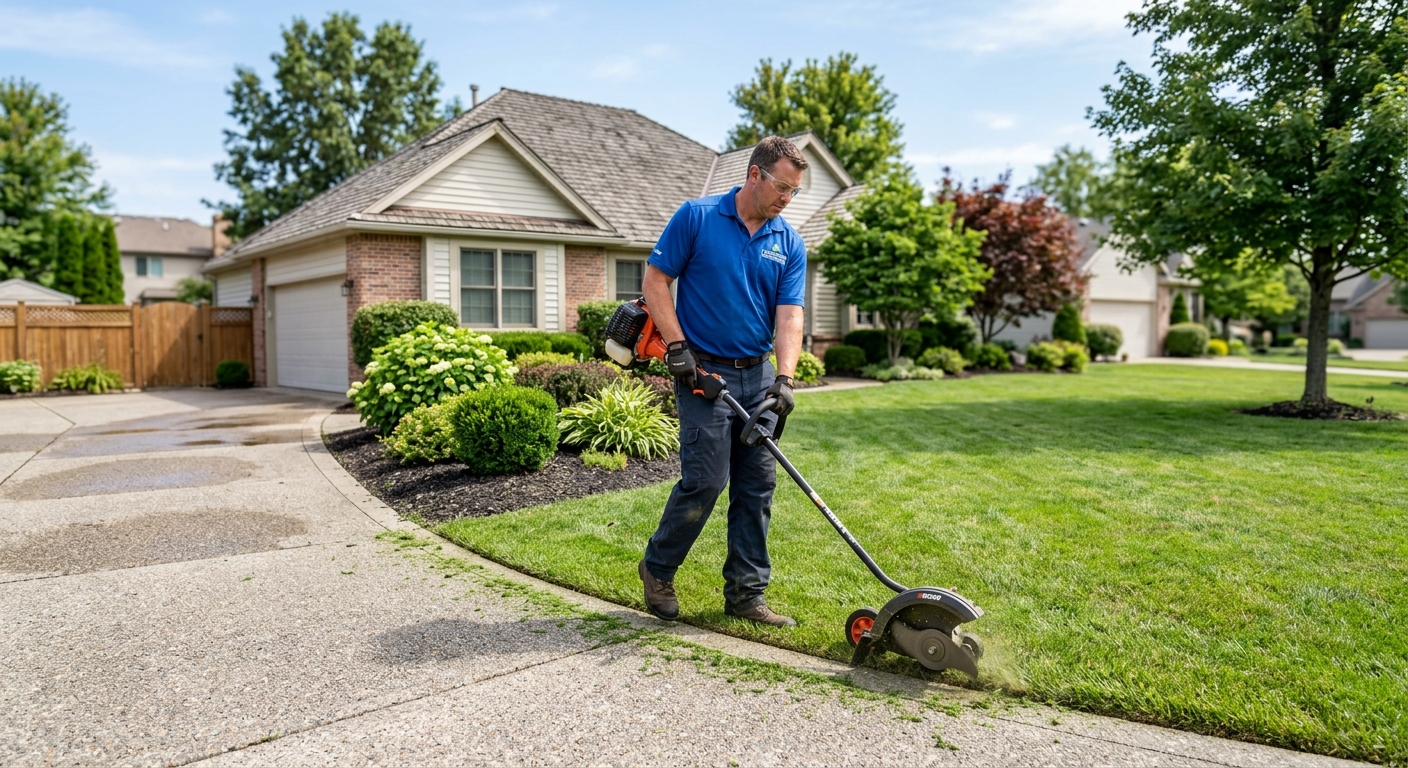
Landscaping options and costs in Timmins
Timmins homeowners have a solid reason to consider landscaping: most dwellings are single-detached (65.1%), and with 67.0% of households owning their homes, there’s often both the yard space and the incentive to invest. That said, the Northeast climate and local construction realities shape what projects cost and when they can be done. In Timmins, crews have to work around a shorter, weather-limited planting and installation window, plus freeze–thaw cycles that punish thin bases and weak drainage. As a result, contractor availability can tighten during peak spring and early fall, and mobilization costs often rise if your start date slips.
Across the Northeast market, pricing is also pushed by the “Prairie-like” fundamentals—designers plan for wind exposure and tough growing conditions, and the foundation of hardscaping must be built with deeper excavations, thicker base materials, and dependable water management. You’ll notice these differences most clearly in retaining walls and interlocking patios, where base prep and drainage work dominate labour and materials. In Timmins, this demand is especially high around the older housing stock and established neighbourhoods such as the East End, where front and backyard renovations are common.
Below is a practical comparison of common options you’ll see in local quotes, with realistic typical price ranges to help you budget before you book a design consult.
| Service |
Description |
Season |
Price Range |
| Full landscape design and installation |
On-site measurements and concept-to-install plan, excavation and grading, drainage where needed, planting layout, and hardscape/softscape build-out |
Mid-late spring to early fall |
$8,000–$30,000 |
| Sod installation (supply, grade, lay, roll) |
Topsoil/grade correction (if required), soil preparation, sod supply and placement, rolling and starter fertilizer |
Late spring to summer |
$3,000–$9,000 |
| Lawn seeding (grade, seed, starter fertilizer) |
Light grading/seedbed prep, seed selection for shade and cold tolerance, starter fertilizer, and early-care guidance |
Late spring or early fall |
$1,500–$6,000 |
| Interlocking patio or walkway |
Excavation, compaction, base and bedding, interlocking stone or pavers, edge restraint, and joint sand |
Spring to early fall (depends on weather) |
$6,000–$25,000 |
| Retaining wall (interlocking block) |
Wall layout, deeper base excavation, drainage gravel behind wall, weep/drain provisions, and block installation |
Spring to early fall |
$6,000–$25,000 |
| Tree and shrub planting |
Soil prep, proper planting depth, mulch rings, staking where needed, and post-planting watering plan |
Spring to early fall |
$1,500–$8,000 |
Prices are estimates only and vary by project scope, site access and material selection.
What affects the price of landscaping in Timmins
In Timmins and the broader Northeast region, two quotes for the “same” landscaping idea can differ by 30–50% once you account for soils, drainage, plant size, and how much excavation is truly required. That’s because what can be built (and what survives) is driven by the local plant hardiness zone and frost behaviour, which in turn determines both materials and the working season available for reliable installation. In Prairie-like cold continental areas, crews must choose drought-tolerant, wind-hardy species and plan for freeze-thaw. Hardscape bases also need to reach below the frost line conceptually—meaning deeper excavations, thicker base aggregates, and more drainage discipline than in milder climates.
By comparison, a coastal climate with a longer growing season supports more lush layering and broader plant palettes, but it also shifts cost toward drainage in heavy-rain conditions. In Timmins, you feel the “cold + frost cycling” side of the problem: puddling around foundations, heaving slabs, and wall movement are much more costly if the base and drainage aren’t engineered. It’s also why a full install can land anywhere from the mid-range of $8,000–$30,000 depending on how much site correction is needed.
Here are concrete examples of what moves cost up or down in Timmins: (1) bringing a yard back to slope for proper runoff can add significant labour and hauled materials; even a modest grading correction can swing a project within the wider retaining-wall band of $6,000–$25,000. (2) Choosing container shrubs vs. hardy balled-and-burlapped trees changes both material price and planting labour time. (3) Older homes built before 1981 (71.7% of dwellings) often have established service lines, mature root systems, or settled grading, which can increase excavation time and disposal charges—especially near foundations.
| Price Factor |
Why It Matters |
Cost Impact |
| Yard size in sq ft — the primary cost driver for softscape |
More square footage means more prep, more seed/sod, more mulch, and more time |
Directly scales both labour and materials; typically the biggest variable |
| Grading and drainage work — slope corrections add significant cost |
Proper runoff prevents foundation moisture and winter surface problems |
Can add days of labour and significant aggregate/topsoil quantities |
| Drainage bed or French drain installation |
Captures and redirects water before freeze–thaw expands it |
Higher when trenching depth, outlets, or pipe sizing is required |
| Plant material tier — native shrubs vs. ornamental vs. mature specimen trees |
Hardiness, size, and sourcing determine unit costs and installation time |
Mature trees and premium varieties can sharply increase total price |
| Hardscape vs. softscape ratio — walls and patios cost more per sq ft than lawn |
Paving and wall systems require base build-up, compaction, and restraints |
Shifts budget quickly toward the retaining-wall/hardscape bands |
| Irrigation system design and installation |
Efficient watering reduces plant loss during the short warm season |
Costs rise with zoning, backflow preventers, and drip line complexity |
| Soil amendment and topsoil required |
Compacted or poor soils need import and blending for roots and drainage |
Can increase disposal and hauling charges |
| Tree removal or stump grinding before new planting |
Clearing affects site prep time, equipment needs, and disposal |
Often a “hidden” cost if not quoted early |
Permits & regulations in Ontario
In Ontario, most landscaping tasks—planting, sodding, seeding, and typical softscape installation—generally do not require a permit. The exception is usually when you’re altering structural elements or drainage in ways that could affect neighbouring properties. In most municipalities, retaining walls above a height threshold (commonly around 1.0 m / 3.3 ft) typically require a building permit and sometimes engineered drawings, particularly if the wall retains significant soil or sits near property lines. Also, if your project includes changes to lot grading that redirect water toward neighbouring lots or into storm connections, you may need approval to ensure you’re not creating a drainage problem.
Two safety steps are non-negotiable: call for utility locates before digging planting holes or wall footings, and confirm water-use rules for your irrigation approach. While Ontario doesn’t typically impose the same drought restrictions you might hear about in the BC interior, water by-laws and municipal watering windows can still apply during dry spells.
To verify your contractor in Timmins, ask for: (1) proof of Ontario licensing where applicable for their scope, (2) liability insurance certificate showing your property address and adequate coverage limits, and (3) WSIB/WCB clearance information (or equivalent coverage evidence). Look for the documentation before work starts, not after. A reputable contractor should also provide a written scope, disposal plan, and confirm whether a permit is required and who pulls it.
Planning a landscape that thrives in Timmins's climate
Planning in Timmins means designing for cold hardiness, freeze–thaw movement, and the timing of frost—not just curb appeal. Start with plant selection: choose native and cold-tolerant species that can handle winter salt wind, and use mulch to buffer soil temperature swings. Next, make an intentional sod-versus-seed decision. Sod gives instant cover and erosion control, but it’s typically more expensive—commonly 3–4x per sq ft versus seeding—so it’s best when you need quick results (pets, steep slopes, or high-traffic areas).
Drainage and grading are critical in Northeast yards because pooling leads to winter heaving and foundation moisture issues. Even a well-chosen plant palette won’t thrive if water sits where roots can’t breathe. For hardscape, base preparation must be built to resist frost lift: excavate to the proper depth, compact in lifts, and include edge restraint and proper drainage where applicable, especially under patios and behind retaining walls. In cold climates, those details are what prevent uneven pavers and wall movement.
To keep annual upkeep reasonable, use low-maintenance strategies: groundcovers to suppress weeds, mulched shrub borders to reduce weeding, and perennials that return reliably. Xeriscape concepts can still work in Timmins by focusing on drought-tolerant choices and efficient watering (or drip in targeted zones), while rain-garden-style grading can help manage runoff before it reaches foundations. For example, if you’re deciding between seeding and sod on a moderate area, spending the higher sod budget can be justified where you need immediate protection; otherwise, seeding fits many homeowners’ budgets while still building durable cover within the spring-to-fall installation window.
| Element |
Climate Consideration |
Maintenance Level |
Price Band |
| Sod lawn installation |
Reliable winter anchoring when established before deep cold; needs adequate drainage to avoid winter kill |
Moderate during establishment; lower after roots knit in |
$3,000–$9,000 |
| Native perennial garden |
Cold-hardy plants reduce winter protection needs; mulch helps with freeze–thaw |
Low to moderate (spring tidy, light weeding) |
$1,500–$6,000 |
| Mulched shrub border |
Mulch improves soil stability and reduces water loss during dry breaks |
Low (seasonal pruning and occasional weed pull) |
$2,000–$7,000 |
| Interlocking stone patio |
Base compaction and drainage prevent frost heave and settling |
Low (periodic joint sand refresh, occasional weed control) |
$6,000–$25,000 |
| Retaining wall (block) |
Drainage gravel and weep provisions protect against water pressure and freeze–thaw movement |
Low (inspect for joint/settlement issues) |
$6,000–$25,000 |
| Drip irrigation system |
Efficient watering supports plants during the short warm season; reduces waste |
Moderate (seasonal start-up checks and winterization) |
$2,000–$10,000 |
How to choose a landscaping contractor in Timmins
Choosing the right contractor in Timmins comes down to proof, clarity, and how they manage risk in cold-weather builds. First, verify Ontario licensing where relevant to their work scope, and request liability insurance documentation (certificate of insurance). Then confirm WSIB/WCB coverage: a credible contractor should provide a clearance letter or coverage evidence you can review before they begin. Don’t rely on verbal assurances—ask for documents and keep copies.
Next, insist on 2–3 itemised written quotes. You want a breakdown of labour and materials (e.g., excavation and base materials for patios, drainage components for retaining walls, specific plant sizes and quantities), not one lump sum. Read the scope line-by-line: what’s excluded (topsoil import beyond an allowance, disposal, tree removal, additional drainage), is disposal included, and is permit pulling included if a retaining wall threshold requires it? If there’s no mention of utility locates or drainage provisions, ask.
Warranty matters in harsh winters. Request (1) workmanship warranty length, (2) product/manufacturer warranty details, and (3) whether warranties are transferable if you sell the home. For payment, never pay more than 10–15% upfront; use a holdback until completion and final cleanup. Also get a written timeline with a start date and completion estimate—Timmins schedules can shift with weather, so clarity protects you.
- Ask for a certificate of insurance and confirm it covers your project type.
- Request WSIB/WCB clearance evidence before work starts.
- Ensure quotes list specific plant species, sizes (e.g., height/diameter), and quantities.
- Confirm hardscape base details: excavation depth, base aggregate thickness, and compaction method.
- Require written grading/drainage plan for yards near foundations.
- Check that disposal is included or clearly excluded with a disposal fee line item.
- Verify utility locates are scheduled before digging.
- Make sure edging, restraint, and joint sand are specified for patios/walkways.
- For retaining walls, confirm drainage gravel and any weep/drain provisions are included.
- Get warranty terms in writing (labour vs. materials) and confirm start date for coverage.
- Agree on payment milestones tied to measurable completion steps, not hours worked.
- Confirm the crew availability and project duration estimate in writing.
Red flags to watch for in Timmins: (1) “one price fits all” quotes with no drainage/grading explanation, (2) vague plant descriptions (“assorted shrubs”) instead of a list, (3) refusal to provide insurance and WSIB/WCB clearance documents, (4) asking for a large upfront payment, and (5) promising tight winter schedules for base-sensitive work without weather contingencies.
Frequently asked questions — landscaping in Timmins
How deep should a retaining-wall base be for local frost?
In Timmins, your retaining-wall base depth is driven by frost behaviour and soil conditions, not just a generic “one size” rule. Practically, that means excavating deep enough to place the wall on compacted, frost-resistant base material and to carry drainage requirements behind the wall. A competent contractor will confirm base depth by assessing existing soil, wall height, and whether you’re building a small garden wall or a system that retains significant soil loads. Because Timmins sees freeze–thaw cycles, thin bases are a common cause of movement. In quotes, look for explicit details about excavation depth, base thickness, compaction, and drainage gravel/weeps—not just “block installed.” If you’re budgeting, retaining walls often fall in the $6,000–$25,000 range depending on how much subgrade work is required.
How much does professional landscape design cost?
Professional landscape design costs in Ontario vary based on whether you need a concept only or a full design package tied to installation. For many Timmins homeowners, design is bundled into a full landscape project, which commonly sits around $8,000–$30,000 for design + installation depending on scope. If you’re doing design as a standalone service, expect it to reflect on-site measurements, drawings, plant lists, and sometimes drainage notes. Homes built before 1981 (71.7% of dwellings) can add complexity because older grading and service locations affect layout, so a detailed plan often prevents expensive rework. The best approach is to ask for an itemised proposal: what’s included, whether planting sizes and materials are specified, and whether the design fee is credited toward installation if you move forward.
How do I compare landscaping quotes?
When comparing quotes in Timmins, don’t compare only the total price—compare what’s actually included. Ask each contractor to provide itemised breakdowns: labour hours and unit pricing for excavation/base, topsoil and aggregate quantities, drainage components, and specified plant counts/sizes. Confirm which tasks are excluded (disposal, stump grinding, additional topsoil import, extra excavation for poor subgrade). For hardscaping, verify base preparation details and edge restraint/joint sand specs. For lawns, check whether sod is supplied and rolled correctly or whether seeding includes seed selection plus starter fertiliser. Quotes that look cheaper often omit crucial drainage or base prep and then “add” costs later. If your budget is for a sod area, typical ranges are often around $3,000–$9,000 for supply/grade/lay, and that should include the site prep assumptions.
How long does a landscaping project take in Timmins?
Timmins timelines depend heavily on weather windows and the complexity of drainage and base work. Most planting and softscape tasks can be done within a few days to a couple of weeks once the ground conditions are workable, but full projects that include hardscaping (patios, retaining walls) often require staged scheduling: excavation and base build first, then paving/block completion, then planting after final grading settles. For many homeowners, a straightforward tree/shrub planting can take a day or two, while a full landscape refresh (design + installation) commonly takes several weeks due to material lead times and the need to protect surfaces during compaction and establishment. Because freeze–thaw cycles can tighten scheduling, crews often push projects into mid-late spring through early fall. A written start date and completion estimate—plus weather contingencies—is the best way to keep your timeline realistic.
What is the best grass type for a Timmins lawn?
The “best” grass type for Timmins is usually a blend tailored for cold tolerance and traffic, rather than a single high-maintenance variety. In practice, contractors select seed mixes that handle winter die-back and regrow reliably, and they consider shade if your yard is near mature trees or the house. Sod can work well for instant cover, but it’s only as good as the grade and drainage under it—standing water or poor slope can lead to patching. Many homeowners choose seeding where budgets are tighter and timing allows establishment in late spring or early fall, while sod is selected for immediate visual results. If you’re comparing budget lines, sod installations often fall in the $3,000–$9,000 range depending on square footage and site prep, while seeding can be lower when the base is in good shape. Ask your contractor what specific mix they recommend for shade and cold in your neighbourhood and soil condition.
When should I aerate and overseed my lawn in Timmins?
In Timmins, aeration and overseeding are best scheduled around periods when the grass can recover before hard freezes. A common approach is spring aeration and overseeding as temperatures climb and growth resumes, followed by a fall overseeding if conditions are still warm and damp enough for germination. The key is timing the work so the new seed has moisture and enough growing days to build roots before winter. If your lawn is compacted or has thin spots due to older grading or foot traffic, aeration helps seed-to-soil contact. A contractor can also recommend a starter fertiliser to support establishment. Budget-wise, overseeding is typically less than full sod, but it depends on lawn size and whether grading is required. For reference, complete sod projects often land around $3,000–$9,000, so overseeding is usually the more economical step when your lawn foundation is already mostly there.